
Say Hey to Dr. Kirkilas!
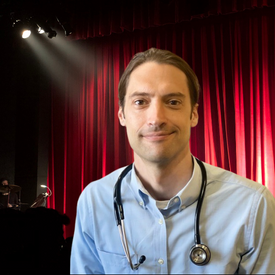
Meet Gary Kirkilas, DO
This month, the ArMA member in the spotlight is Dr. Gary Kirkilas, a pediatrician who practices in Phoenix. With more than a decade of experience in the medical field, Dr. Kirkilas provides medical care to one of Phoenix's most vulnerable populations: children experiencing homelessness.
When he's not driving a 35-foot mobile medical unit through Phoenix, Dr. Kirkilas spends time avidly advocating for legislation that will move medicine forward and shape patient care. ArMA is very grateful for his advocacy work, membership, and engagement.
Learn more about Dr. Kirkilas and his accomplishments below! 👇
What inspires you?
Working with the homeless population, especially homeless children, can be emotionally challenging. I get a front-row seat to many of the worst and most unfortunate events that can occur in childhood. This population experiences daunting challenges, and being able to lift any amount of the heavy burden of homelessness can be fulfilling. What keeps me going is seeing the impact that even one interaction with a family can have. Every day there are successes: a troubled teen getting into counseling and free from substance use, ensuring a toddler can finally receive all of his missing vaccinations, and diagnosing a condition like a heart murmur on a grade school child that did not previously have any access to medical care and thereafter, supporting the family in getting on Medicaid and into the specialty care they need.
If you weren't a physician, what would you be up to right now?
I think I would make a pretty good tour guide. I really enjoy talking to people about my passions, sharing my curiosity about the world, and introducing others to some of life’s most interesting places and activities. There are so many beautiful places in this world that we may not open ourselves to experiencing unless someone unveils them to us.
How would you like to be remembered?
As a passionate physician who wasn’t afraid to speak up for children’s best interests, even when the odds were stacked against him.
What is one message you would give to your 18-year-old self?
I would tell myself to be more confident in my convictions. Specifically, to not be scared or embarrassed to speak up about causes that are important to me. It wasn’t until later in life that I was able to really hone this skill, and I have truly been enjoying it. Lately, it has tied into my medical career as I have advocated at the state level for cannabis advertising restrictions for children. I would never have done this type of advocacy in the past, but it is terribly important, and I am proud to be able to stand up and speak on behalf of children.
Continued from ArMA's Member Spotlight email...
What do you like best about living in Arizona?
I love the outdoors and have always been amazed at how beautiful the desert is here in Arizona. Some very intelligent people had the foresight to preserve some of these deserts and mountain parks from development so that we can all escape to the peace and wonder of the desert.
What does a typical day in your life look like?
We typically load up the mobile medical units with vaccines and medications at 8:30 am and then head out to our clinic sites. These sites can be homeless shelters, group homes for troubled teens, or schools where the student body is at or below the poverty line or where students are undocumented. We spend the morning providing medical care for the youth, and our services are vast, including comprehensive well visits, any acute sick needs, reproductive health services, and emotional health concerns. After the morning clinic, we get on the road to head to another clinic site for the afternoon and continue our care, bringing our services right to the communities that need them most. Each day, our locations are different across the city, which makes for a highly varied week. I appreciate the constant change that helps always keep me engaged.
Why is ArMA important to you and your colleagues?
The political world is complicated and ever-changing. Many decisions are being made every day that directly affect Arizona physicians’ way of practice and quality of life. If we don’t have skilled lobbyists and meaningful relationships with legislators that can look out for our interests, we fall behind. ArMA provides this invaluable service to its members as it is very active politically with a well-respected presence at the state capitol. I hope more physicians, in all stages of their careers, will make political advocacy part of their practice. Our voices are vital in making impactful changes.