Say Hello to Avi Levy!
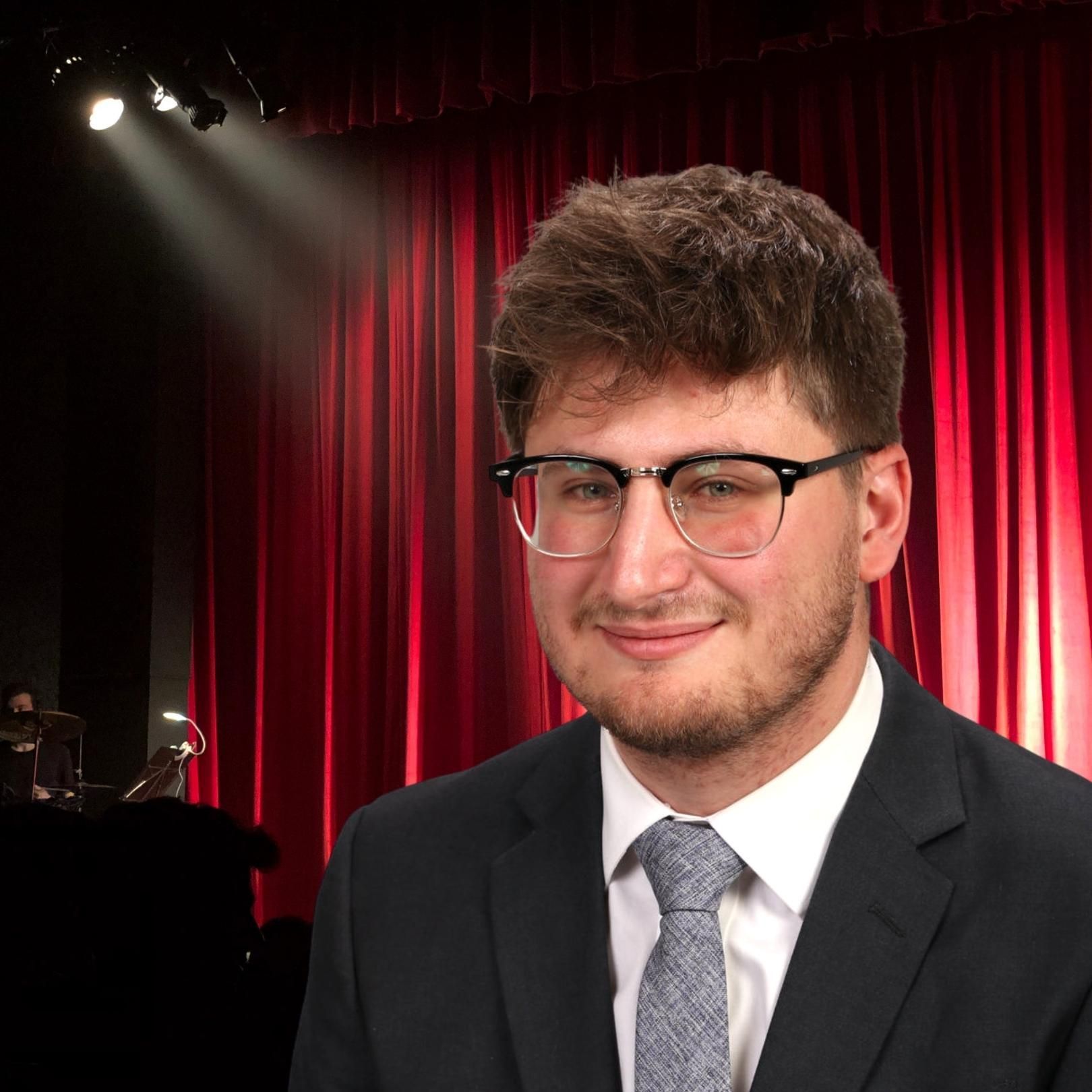
Meet Avi Levy, this month’s ArMA member in the spotlight. Avi is the Vice-Chair of ArMA’s Medical Student Section (MSS) and is pursuing his residency in pediatrics.
His passion for advocacy led him to draft a medical student bill of rights, which was approved by ArMA's Board of Directors in March. When he’s not sitting by the pool or eating his favorite pizza, Avi is coming up with new ways to advocate for students and physicians alike.
Learn more about Avi’s journey with medicine below! 👇
What inspires you?
I feel that many people in medicine have a story that inspired them to pursue a career in medicine. Mine is that when I was in high school my grandmother had a stroke. I watched my grandmother go through various parts of the healthcare system, and in a way that was the spark that got me interested in healthcare. But in reality, my path to pursuing a career in pediatrics is much more complicated than that. My path however started with me choosing to volunteer at a children’s hospital back in high school. As a volunteer, I was able to appreciate the impact I had on the patients I worked with, and that became something I looked for in experiences that I became involved with. This led to my being part of a global health mission in Guatemala, which inspired me to get a Master’s of Public Health, which further inspired me to become involved in organized medicine – which is how I became involved with ArMA. What I love about medicine is how as a physician we are given the privilege to empower our patients with knowledge. When I was applying to residencies, I realized pediatrics is the best choice for me – not only because being able to work with babies and kids is fun – but because that impact is a hundredfold. Being able to empower children with the skills to manage their health while they are young, gives them the tools to manage their health for the rest of their life. What inspires me is the impact that we can make on others. This is something that motivates me as a future physician, but it’s also something not just related to medicine – but in our everyday interactions as well.
If you weren't in training to become a physician, what would you be up to right now?
This is such a difficult question, as my path to me becoming who I am today came because of my involvement in advocacy and policy. When I think about this question, my first thought is that I would be a human rights lawyer. As a human rights lawyer, I would be able to be involved with similar advocacy that I am involved with as a medical student.
What is your favorite meal? Least favorite meal?
My favorite meal is definitely NY-style pizza. My least favorite meal is anything with pineapples in it.
What is the one accomplishment you’re most proud of?
This year, along with my fellow medical students, I created a medical student bill of rights for students in Arizona, which was recently approved by ArMA's Board of Directors. This idea came from a proposed American Medical Association (AMA) resolution, which was written by a medical student in Arizona, and while that resolution did not end up being adopted, I thought why don’t we first work on this idea locally? After months of work, multiple revisions, and the help of my peers and ArMA’s leadership, the bill of rights was approved by ArMA's Board of Directors in March. What inspired me to work so hard on this was realizing the impact this document could have on the next generation of medical students in Arizona. As a guide and list of recommendations as to what rights medical students should be entitled to, it shows that we as a medical association and medical student section care about and acknowledge the rights of medical students. In turn, medical school administrations and student governments can use this guide to inform policies and operations. It was very satisfying to see my hard work pay off before I graduate from medical school.
What do you like best about living in Arizona?
I grew up in New York City. It’s a completely different world. People are always in a rush, there’s no parking anywhere, and it gets pretty cold in the winter. Here in Arizona, it’s pool weather most of the year – and if it’s too cold to swim there’s always a hot tub. Plus, I even sometimes talk to my neighbors. While I’m moving back to the east coast for residency, I really hope to come back as a physician – I really loved my experience here!
What’s your idea of a perfect day?
My perfect day would start with going to the gym, and then brunch with my friends and spending the rest of the day at the pool – or a beach. What I learned as a medical student is how important it is to cherish the free time we have to be able to just relax.
Why is ArMA important to you and your peers?
ArMA represents our profession. It gives us a voice as medical students and physicians and allows us to make an impact on our communities and the patients we serve.