Meet Timothy Durr, DO Candidate
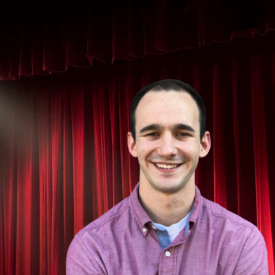
Meet Timothy Durr
The ArMA Member Spotlight this month is Timothy Durr. Timothy is a doctor of osteopathic medicine candidate at A.T. Still University. He completed his undergraduate training at Arizona State University and received a bachelor's in Health Sciences. Timothy currently serves on ArMA's Board of Directors as the medical student director.
Who or what inspires you?
The one thing that never fails to motivate or inspire me to be a better person is seeing sincerity, genuine interest, and passion in others. There is nothing more satisfying than hearing a lecture, reading a book, or having a conversation with someone who lives and breathes that topic. Any time I see this, it reminds me to be present and sincere with the people I interact with. In the particularly busy world of a medical student or physician, it is something I can never be reminded of too many times.
What has been the most memorable patient or event in your medical school career?
I am always tremendously astonished by the extreme level of disconnect between patients and the medical system. The idea that we have so many doctors who spend their lives learning how to care for others and still have such limited access for so many in our communities baffles me. I certainly don’t know what the answer is, but seeing this time and time again serves as an additional reminder to something I’ve touched on before: being sincere in my interactions with patients and making the most out of both their time with me and my time for them.
What do you like doing in your spare time?
Music is one of the most influential things in my life. I love everything about it: listening to it, making it, learning about digital audio workstations, composition, mixing, and mastering. It is something I find incredibly therapeutic and relaxing, but also very stimulating.
If you weren't in medical school, what would you be up to right now?
I think about this question a lot. I love computers and software, but I also love working with people and learning about human interactions/why we do what we do. I would most likely be doing something that combines these things. Designing user interfaces for software/websites is something I think would be very intriguing.
What's the most interesting thing you've read or seen this week?
With new CDC guidelines just being released, I have taken part in a lot of conversations about COVID-19 precautions this week. What I find interesting about them is the degree of variation in opinion about how to advocate for public health measures. Our world being so data driven seems to have put us at a standstill during these unprecedented times. It is starting to feel like no decision is preferred over a well-informed and reasonable one based on readily available information.
What would you like people to remember about you?
My goal in life is to be a positive influence on the people around me. Like most, I have my good and bad days. I just hope that by the end of them, I’ve lived most in a way that people remember as uplifting.
What prompted you to become involved in organized medicine?
It is no surprise that the world in which we live, practice medicine, and care for patients is largely governed by the bills our elected officials sign into law. This is a scary thing to think about when considering the lack of healthcare/patient care experience most politicians have. I feel that the two most important things doctors can do for the community is stand together to advocate for good healthcare legislation and increase community outreach. Organized medicine is the perfect venue for both of these initiatives.