Meet Dr. Jack Friedland
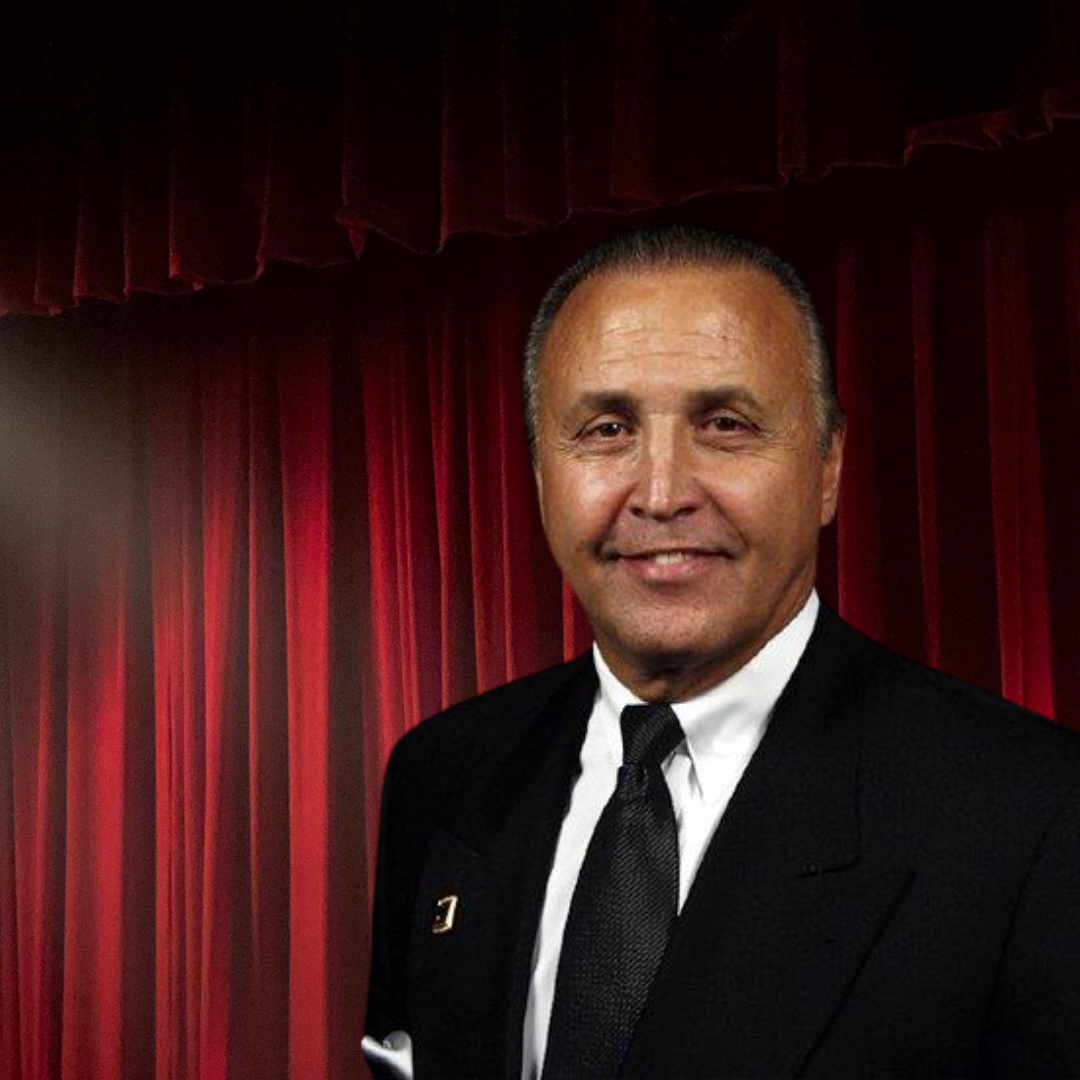
Meet Jack Friedland, MD
The ArMA Member Spotlight this month is Dr. Jack Friedland. Dr. Friedland is a physician specializing in aesthetic plastic and reconstructive surgery. He attended Northwestern University Medical School, has visited several universities as a traveling professor, and has contributed to several textbooks. Read ArMA's interview with Dr. Friedland below to learn more about him!
What inspired you to become a doctor?
I wanted to be a doctor ever since I was a little boy. I was inspired by the stories of the first organ (kidney) transplant, the first cardiac transplant, and many of the other innovative medical advancements and successes in the last century.
How did you come to practice medicine in Arizona?
After completing my undergraduate work at the University of Wisconsin and graduating from Northwestern University Medical School, I entered internship and general surgical residency. I then entered a plastic surgical residency at Bellevue and New York University in New York City. At the time, the U.S. was involved in Vietnam, so I served two years in the U.S. Air Force during which, I was stationed at Luke Air Force Base, and I was thus introduced to the Valley. I told my wife, whom I had met in Wisconsin and married during medical school, that I felt Phoenix would be a great place to live. The weather was always good, there was good education for our children, and the people in Arizona were “nice”.
When did you become involved in organized medicine?
I obtained my Arizona license to practice medicine, opened my practice, and immediately joined ArMA and the Maricopa County Medical Society (MCMS). I appreciated the benefits both organizations provided, and I have continued those memberships to this day, even though I am now retired.
Additionally, I always had an interest in correcting congenital deformities such as cleft lips and palates. I have volunteered at Children’s Rehabilitative Services and Phoenix Children’s Hospital, allowing patients who could not afford private care to obtain my services through state and federal agencies. I have been a member of, and active in, various medical and surgical organizations, both nationally and internationally, serving as President of both the American Society for Aesthetic Plastic Surgery and the Rhinoplasty Society, as a Director of The American Board of Plastic Surgery, and as a Governor of The American College of Surgeons.
Continued from ArMA's Monthly Member Spotlight newsletter...
To what extent have you been involved in medical education?
I have always participated in medical education, teaching students, residents, and colleagues as a Clinical Professor of Surgery at the University of Arizona (UA) Medical School-Phoenix. I was also an Associate Professor at the Mayo Medical School and its residency programs in Rochester and Scottsdale.
What kind of opportunities has your profession as a physician made possible?
My profession has given me the opportunity to operate and lecture all over the U.S., China, Japan, Singapore, the Philippines, Brazil, Argentina, Ecuador, and multiple European countries. I have participated in many mercy missions to perform surgical procedures on unfortunate patients in third world countries, which gave me the opportunity to additionally “give back” with a great sense of personal satisfaction.
What would you like people to remember about you?
I would like to be remembered as a physician and surgeon who respected all individuals equally, and as someone who treated them as I, or one of my family, would wish to be treated. I am glad that I chose to be a doctor, who received the respect, kindness, trust, and gratitude of patients whose lives I improved by caring for them. Without hesitation, I would do it all again!