ArMA Member Spotlight: Meet Dr. Thomas Varkey
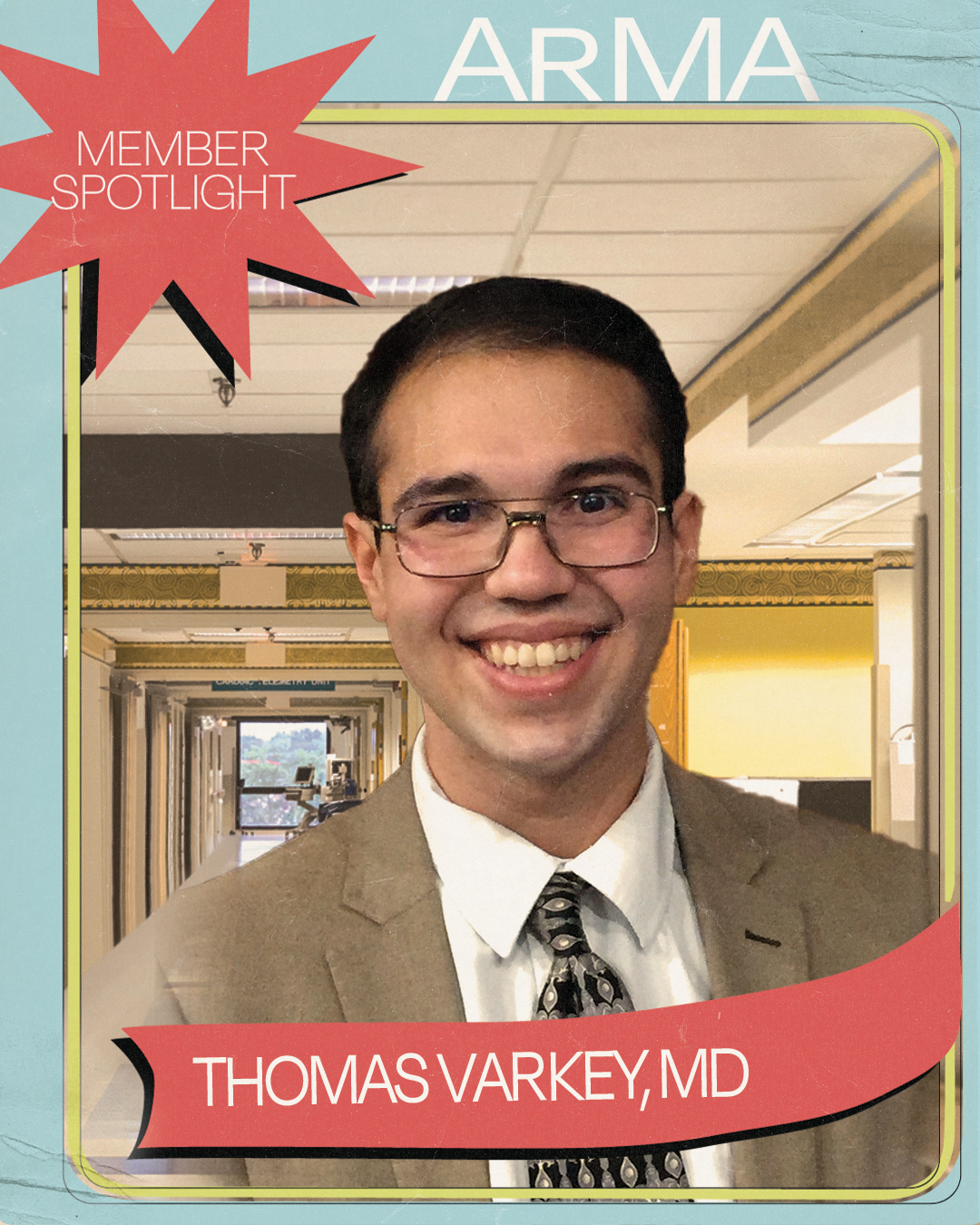
We are honored to introduce this month’s ArMA Member Spotlight, Thomas C. Varkey, MD, MBA, MEd! Dr. Varkey is a second-year post-grad at the University of Arizona College of Medicine-Phoenix and an adjunct faculty member at Colangelo College of Business at Grand Canyon University. Recently, Dr. Varkey was honored at ArMA’s Health Care Awards ceremony as the recipient of the Rising Star Award.
In his interview for the Member Spotlight, Dr. Varkey shares his inspirations, achievements, and current projects. With a remarkable amount of energy, Dr. Varkey is always striving to improve his craft and working diligently to understand each patient.
Learn more about Dr. Varkey’s journey with medicine below!
What inspires you?
I’m often inspired by the work of my colleagues and their dedication. In the last few weeks, I have developed a deep appreciation for the nurses that diligently monitor the patients on the stroke floor that I rotate on. Seeing their keen eye for warning signs and quick action to ensure the safety of those under their care inspires me to be equally diligent.
What success in your career are you most proud of?
One of the greatest accomplishments of my career was hearing a thank you from an individual I did not recognize. One of the nurses at the hospital I work recognized me from my days as an adjunct instructor at Grand Canyon University, he told me that during my tenure as an on-ground instructor, I had shown him how much I cared and how this had changed the trajectory of his career. While this is not an award or prize that I can place on a CV, it showed that even tiny interactions can have an impact for years to come.

What's a project you're working on right now?
I'm currently working on a medical education paper focused on improvements in the fellowship program websites for Hospice and Palliative Care Medicine. I find that many programs around the country struggle with finding the best way to ensure that potential applicants can get the information they need. I think by providing a useful written article on the current deficits I will be able to better enable these programs to create useful websites.
If you weren't pursuing medicine, what would you be up to right now?
If I was not pursuing the practice of medicine, I would be teaching at the Colangelo College of Business. I love working with students and I love teaching, therefore I would continue to teach at my alma mater and second home here in Phoenix, Grand Canyon University.
What would you like remembered about you?
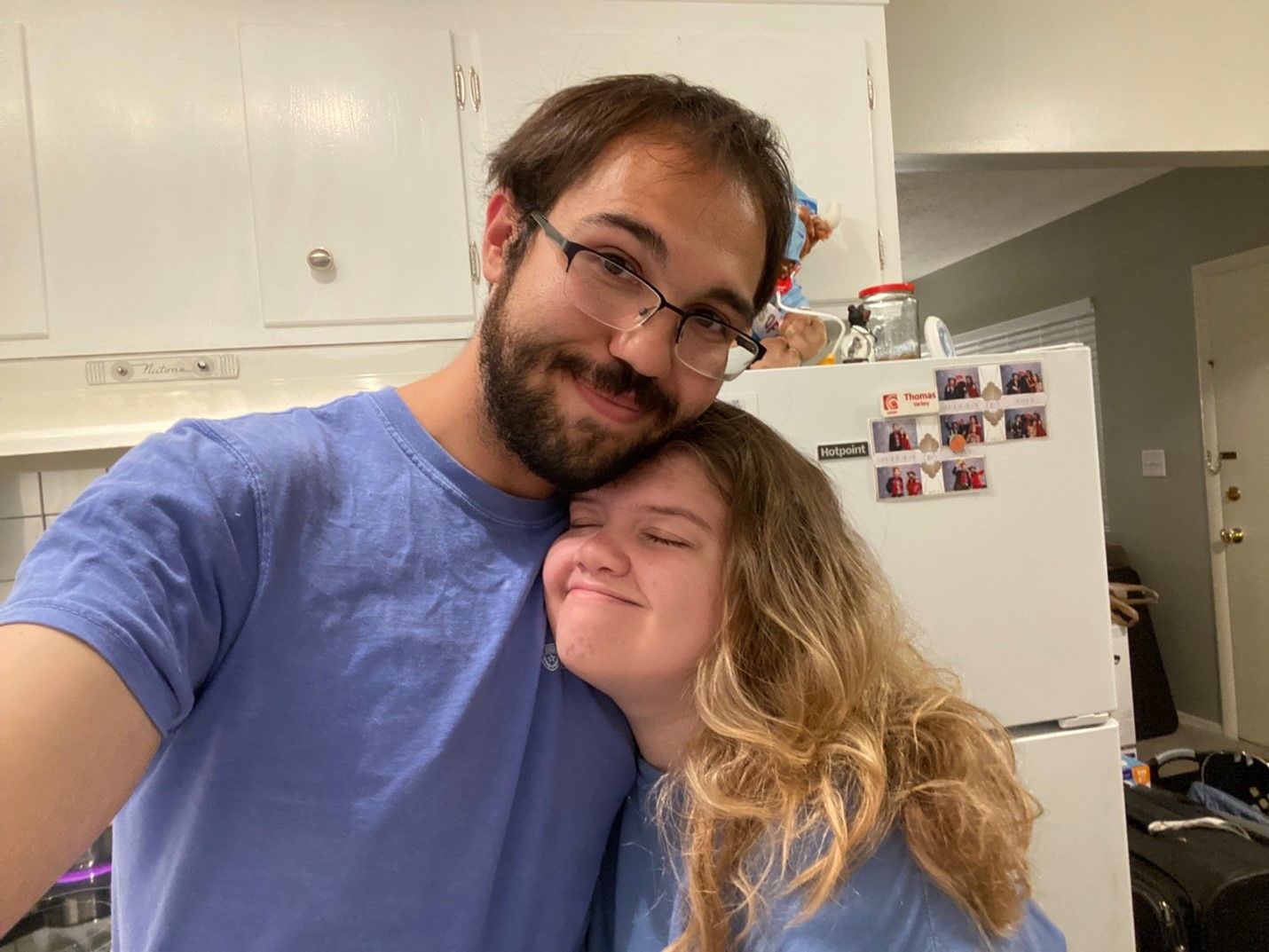
In college, I had an instructor who asked this question in a different way and asked that we write our tombstones If I had a choice, I would want it to read, “Good man, Good father, Good Husband” – a title that if earned would be one that I would wear proudly. If I could be remembered for anything it would be for being good.
What do you like best about living in Arizona?
I love the hiking and the mostly nice weather (forget July, hahahaha). It's great to be able to go outside at any time and just go for a walk in the sunshine and air.
How would you describe your approach to patient care?
I approach each patient like they were my fiancé, I want to really figure out what the root cause is and fix it. I take the time to sit with them and try to really listen. It sometimes takes me a little longer to finish the encounter, but in the end, I know I did everything within my power to “get it right”.
What prompted you to become involved in organized medicine?
I was a part of the Texas Medical Association in medical school and wanted to be a part of an organization in Arizona to advocate for myself, my colleagues, and our patients at a state level. A doctor can only be as useful as their impact on the ways that we allow our craft to be honed. I wanted to make a difference for the benefit of my friends and family.