ArMA Member Spotlight: Denise Millstine, MD
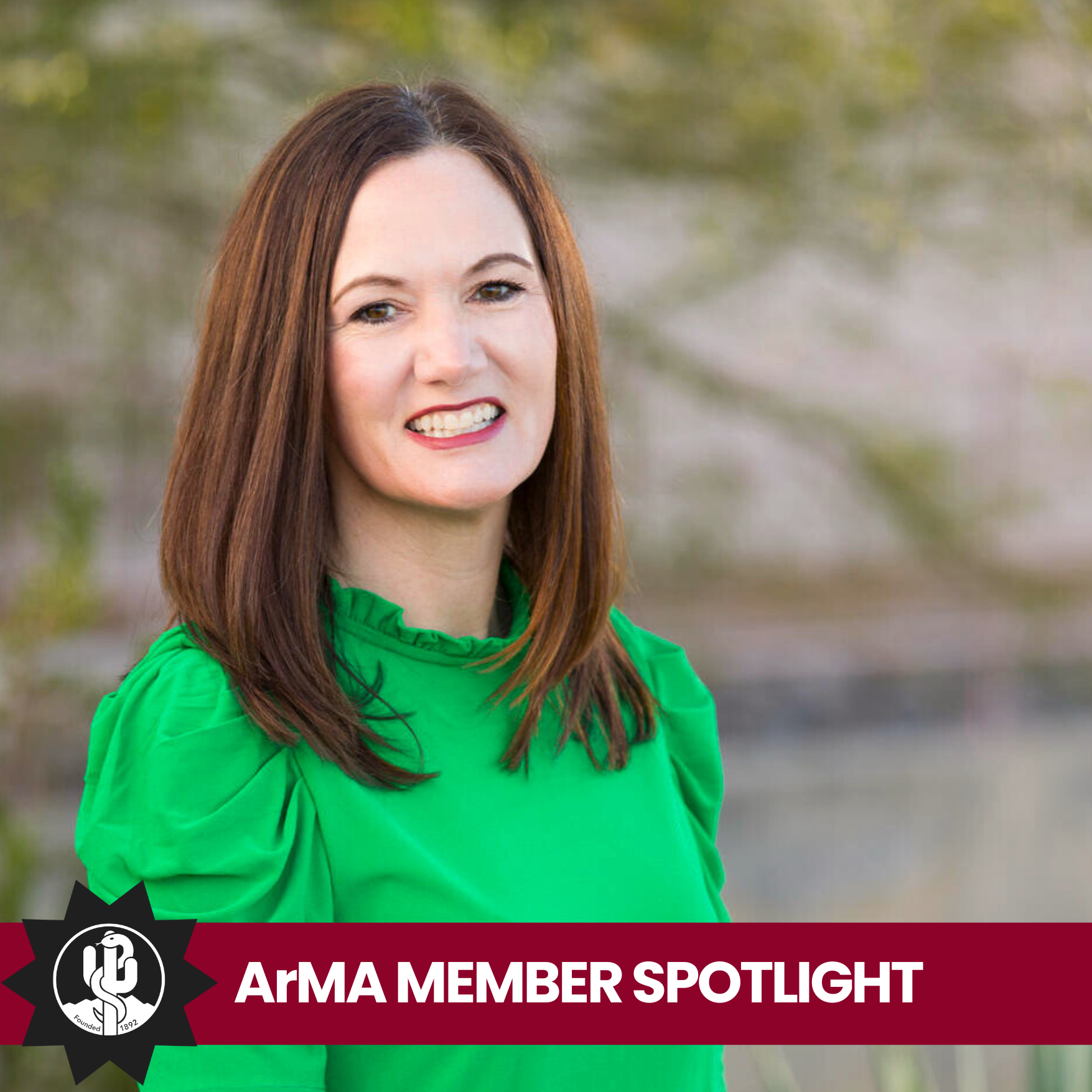
We are honored to introduce this month’s ArMA Member Spotlight, Denise Millstine, MD! Dr. Millstine is a consultant in Women's Health Internal Medicine at Mayo Clinic in Arizona. She is also an assistant professor of medicine and a fellow of the American College of Physicians.
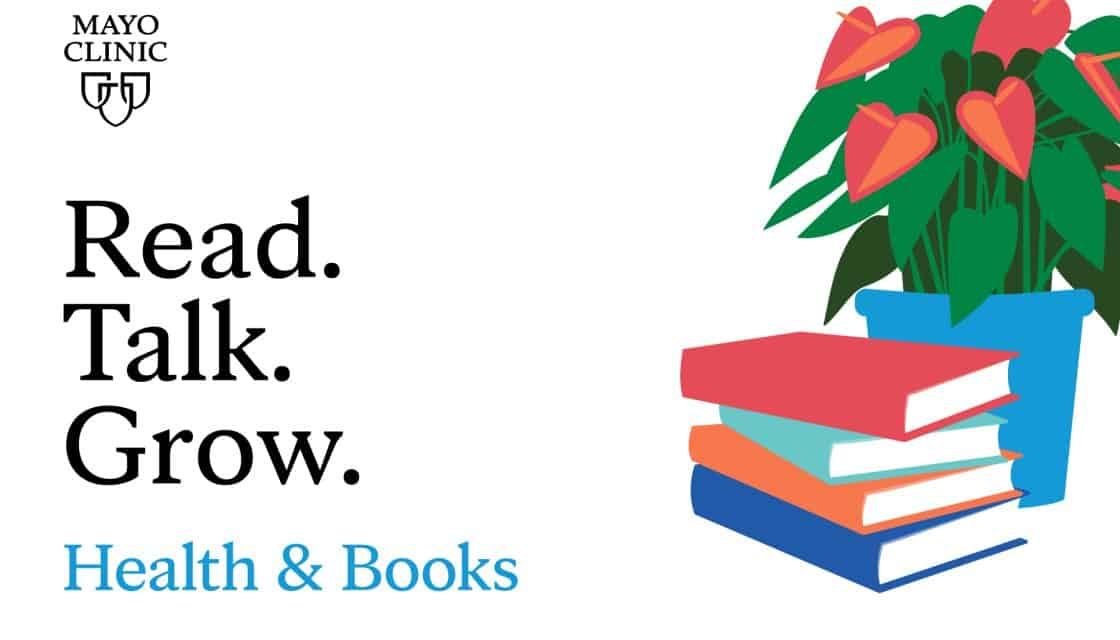
In her interview for our Member Spotlight, Dr. Millstine describes the way she uses books to share her medical insight with patients. She directs the Women’s Health Blog for Mayo Clinic Press and is the creator and host of Read.Talk.Grow., a podcast where she talks about books and health with authors and experts.
Learn all about Dr. Millstine’s journey with medicine below!
What's a project you're working on right now? Why is it meaningful to you?
I think writing for the public and patient education is an undervalued aspect of how we can provide quality medical information efficiently, at low cost, and openly.
For this reason, I became the medical editor for the Mayo Clinic Press Women’s Health Blog. We have colleagues and medical writers present information with a casual voice that is high quality and free to access. For example, I wrote a post on calcifications on mammograms. In 2022, over 29,000 people read this post. It occurs to me that this was a very good use of the 2 hours I spent writing, editing, reviewing with a radiologist, and finalizing. I won’t see 29,000 patients with breast calcifications in my whole career – never mind in 2 hours.
Writing the blog allowed me to collaborate with writers and editors in publishing. I shared my dream of working with books to provide health understanding, and they were game! Through those conversations, we created the Read.Talk.Grow. blog. In each episode, I interview an author of a book meant to be read cover-to-cover – mainly fiction, memoir, or narrative nonfiction – along with a topic expert. We talk about issues through the lens of the book, often through a character or described experience, in the hope of enlightening our listeners to consider story and reading as a way to better understand and empathize with health conditions. Some of the topics covered include miscarriage (novel Brood by Jackie Polzin), menopause (thriller The Change by Kirsten Miller), hospice (novel inspired by personal experience We All Want Impossible Things by Catherine Newman), and racism in medicine (nonfiction Under the Skin by Linda Villarosa).
This project is a true overlap of my passions: books & reading + patient care & support.
How has a book changed your perspective on life?
Years ago, I read the book This is How it Always Is by Laurie Frankel. In the novel, she portrays a family whose youngest child is transgender from a very young age. Her depiction of the family navigating the challenges that arise in supporting their child is authentic and, to me, enlightening. I’ve shared this book with many women who love and want to support a young person navigating gender transition and exploration. This book was important to me because it was a family story, not an issues book. For this reason, I believe it to be more broadly accessible and it became one of the early inspirations for what was eventually our Read.Talk.Grow. podcast.
What is one message you would give to your 18-year-old self?
It’s important to know what’s important to you and to remember that your voice should be heard. If you think books and reading are entertainment and relaxation, think again. You can overlap the activities you love to do with the work you are called to.
What do you like best about living in Arizona?
The people, the sunshine, the natural beauty, and the bookstores.
What would people be surprised to learn about you?
I’m an introvert. I love connecting with other people, but I’m just as happy to be home with my dog, my kids, and a good book.
What does a typical day in your life look like?
I’m up early to exercise which I find helps me approach my day more calmly. I shuffle the kids to school and then work on projects or see patients. Evenings are filled with family dinner, book clubs/events, time with friends, and finally walking my basset hound Lulu with my husband.
How would you describe your approach to patient care?
I believe people are their stories and try to make space for those to be shared. I like to know my patients so I can view their health concerns or prevention in the context of the way they live their lives.
Why is ArMA important to you and your colleagues?
Connection is important and ArMA provides a platform for healthcare professionals to know what is going on in many different corners of Arizona. I also appreciate the unified voice of ArMA, especially recently with challenging healthcare events and policy changes.