Arizona Legislative Leadership Announced for 2027 Session at the Capitol
November 20, 2026
With the 2026 Midterm General Election behind them, Arizona state lawmakers recently selected their leadership teams for the 2027 Legislative Session, setting the stage for a new balance of power at the Capitol.
The leadership selections establish who will help guide each chamber’s legislative priorities, manage floor activity, and shape the committee process during the upcoming session, which begins on January 11, 2027. For the healthcare community, the election of the Health Committee Chairs is especially important, as they will determine which bills are placed on the groups' agendas.
Arizona Senate Leadership
Democratic Leadership
- President-elect: Sen. Priya Sundareshan (Legislative District 18)
- Majority Leader: Sen. Christine Marsh (Legislative District 5)
- Majority Whip: Sen. Analise Ortiz (Legislative District 24)
- Presidents Pro Tempore: Sens. Alma Hernandez (Legislative District 20) and Edgar Soto (Legislative District 17)
- Majority Chairs: Sens. Rosanna Gabaldón (Legislative District 21) and Aaron Lieberman (Legislative District 4)
- Health Committee Chair: Sen. Alma Hernandez (Legislative District 20)
Republican Leadership
- Minority Leader: Sen. John Kavanagh
- Assistant Minority Leader: Sen. Tim Dunn
- Minority Whip: Sen. Leo Biasiucci
- Deputy Assistant Minority Leader of Communications: Sen. Mark Finchem
Arizona House of Representatives Leadership
Democratic Leadership
- Speaker-elect: Rep. Oscar De Los Santos
- Speaker Pro Tempore: Rep. Quanta Crews
- Majority Leader: Rep. Nancy Gutierrez
- Whips: Reps. Brian Garcia and Kevin Volk
- Health Committee Chair: Rep. Sarah Ligouri
Republican Leadership
- Minority Leader: Rep. Steve Montenegro
- Assistant Minority Leader: Rep. Michael Carbone
- Minority Whip: Rep. Lupe Diaz

Humana, one of the nation's largest health insurance companies, announced this week that it will launch a Gold Card program to cut down on prior authorization burdens for approved clinicians beginning on December 1. Amid widespread scrutiny of the health insurance industry's prior authorization practices, Humana has publicly committed to: reducing the need for prior authorization simplifying the authorization process where possible reducing administrative burden for clinicians helping patients access care more efficiently According to Humana, the Gold Card program is a large step toward realizing this goal. “Our goal is straightforward: when prior authorization is necessary, it should be fast, simple and largely invisible to the patient. And when it isn’t necessary, we should remove it,” said Dr. Traci Granston, Humana Vice President of Clinical Innovation and Trend. How the Program Works Clinicians who have an existing track record of delivering high-quality care and better health outcomes for patients will qualify for the program upon its launch. Clinicians who qualify based on Humana's metrics will no longer be required to submit prior authorizations for MRI, CT, and MRA imaging or physical and occupational therapy. Instead, clinicians will use a "streamlined notification process" that replaces advanced approval. In a public statement, Humana noted that approximately 50,000 clinicians nationwide will qualify for the program. Clinicians interested in learning more about the program can do so here . How the Program Developed Humana's Gold Card program was piloted by roughly 400 medical organizations representing more than 8,000 clinicians. After testing and refining the operational processes and workflows, involved clinicians and office staff expressed support for the model. The insurer will continue to evaluate and refine the program as it rolls out nationwide. Humana's Other Reform Efforts The Gold Card program is one of many initiatives the insurer has implemented to "remove prior authorization requirements, accelerate decisions and improve transparency." Other recent efforts include: Reduced Prior Authorization Requirements : Removed requirements for more than 340 outpatient diagnostic service codes. Streamlined Approval Process : Began providing decisions within one business day on 95%+ of all complete electronic requests. Emphasized Transparency and Accountability : Publicly reported prior authorization metrics, including denial rates. Read more about Humana's reforms.
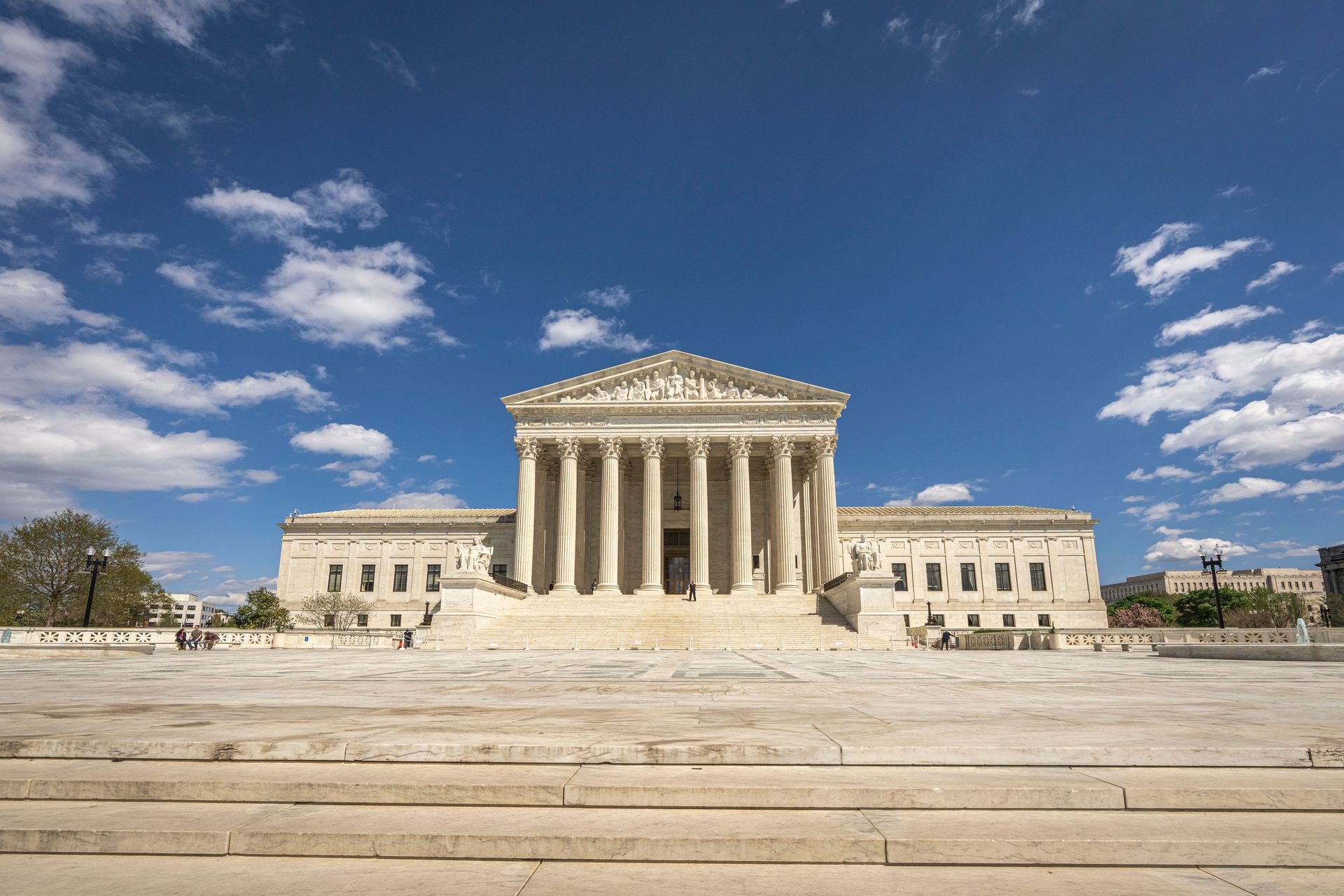
A federal court struck down a U.S. Department of Homeland Security (DHS) rule that would have limited how long international medical residents and fellows could remain in the U.S. for training. Judge F. Dennis Saylor IV of the U.S. District Court for the District of Massachusetts entered a final judgment on November 16 that threw out the rule. What the Rule Would Have Changed Under the long-standing “duration of status” system, F, J, and I visa holders may remain in the country for the length of their program. The DHS rule would have replaced that system with fixed admission periods: Students and exchange visitors: Four years Foreign journalists: 240 days Because many training programs last longer than four years, residents would have had to request an extension partway through training. Approval would have been at DHS’ discretion, with no right of appeal. The process would have introduced additional burdens for trainees in extended programs, including general surgery residencies, which last five years, and neurosurgery residencies, which last seven. The American Hospital Association estimates that the rule would have affected nearly 17,000 physicians in residency and fellowship programs nationwide. Why the Court Threw Out the Rule According to Becker's Healthcare , Saylor granted summary judgment to a coalition of higher education groups and labor unions that challenged the rule. He found it arbitrary and contrary to law under the Administrative Procedure Act. The court found that DHS: Did not weigh the rule’s costs and benefits Did not provide adequate support for its rationale that the rule would prevent fraud and protect national security Did not consider less burdensome alternatives, including strengthening the existing Student and Exchange Visitor Information System, which already requires schools and program sponsors to report on visa holders Exceeded its statutory authority by imposing limits on academic programs DHS’ Request and What Comes Next DHS asked the court to return the rule to the agency for further review while leaving it in place. Saylor declined, noting that the current system has been in place for decades and that the rule never took effect. DHS’ appeal of the September injunction is still pending before the 1st U.S. Circuit Court of Appeals. Learn More U.S. District Court Ruling American Hospital Association Coverage Becker’s Hospital Review: September Injunction Information sourced from Becker's Healthcare .