
Advocacy in Action: Dr. Gary Kirkilas II on Taking Pediatric Care and Policy on the Road
Dr. Gary Kirkilas II on Taking Pediatric Care & Policy on the Road
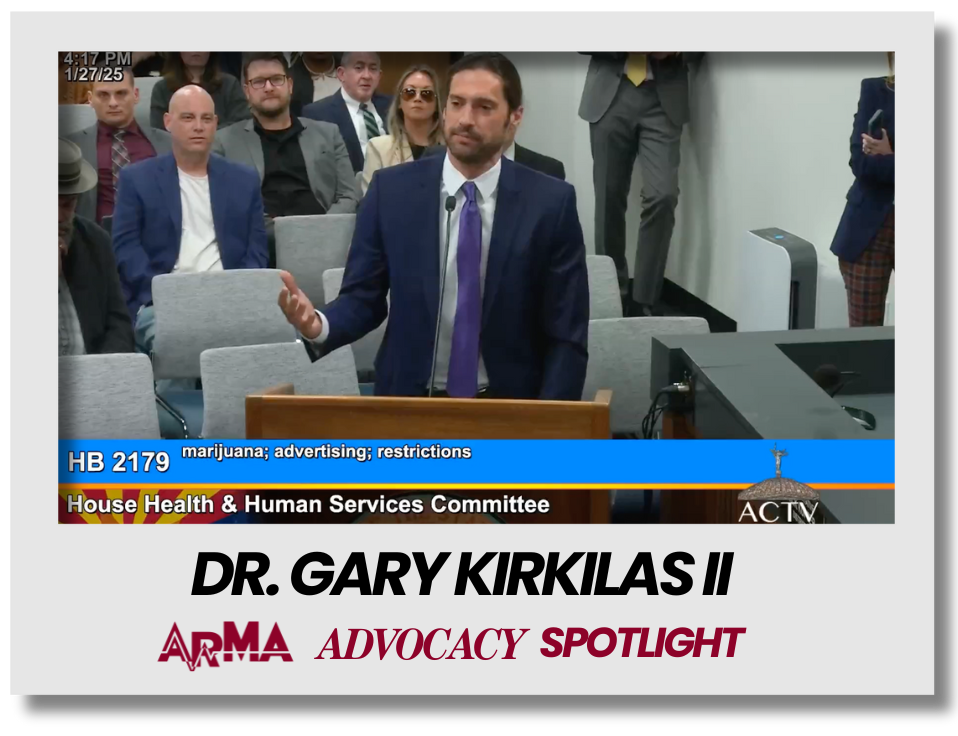
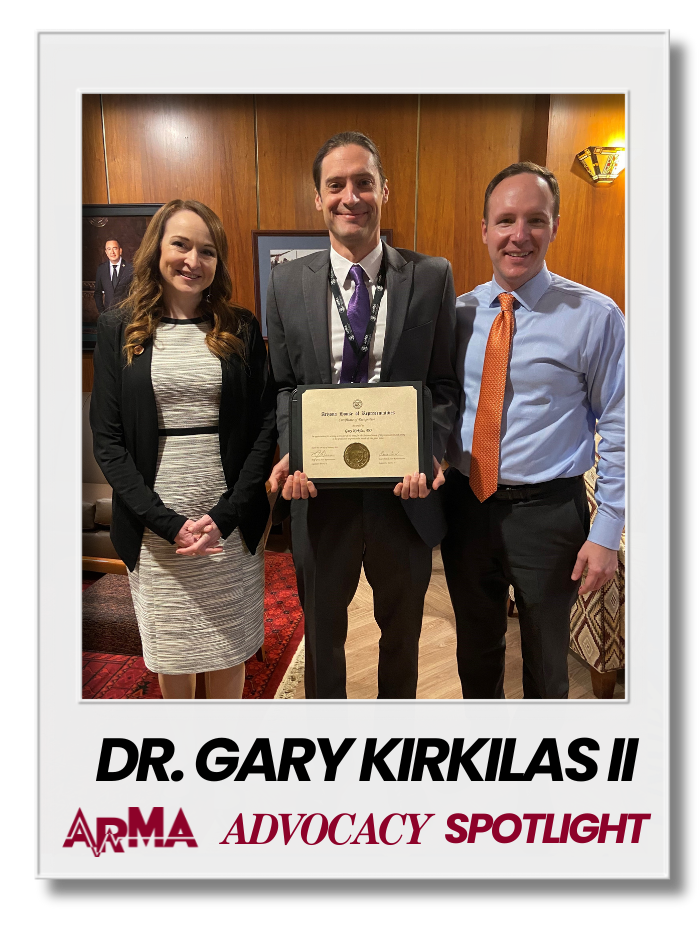
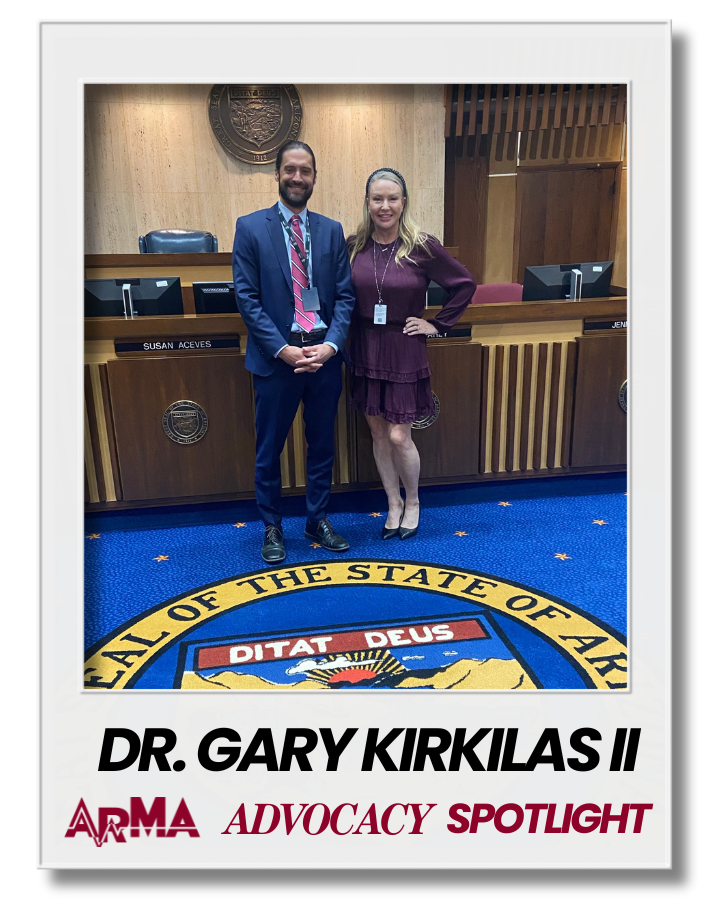
Dr. Gary Kirkilas doesn't practice medicine in a typical office. His clinic is a 40-foot mobile medical unit that travels to shelters throughout Phoenix, providing essential pediatric care to children and families facing homelessness. However, his mission goes far beyond the exam room. After seeing the real-world consequences of
youth cannabis use and advertising targeting children, Dr. Kirkilas began pushing for policy changes to protect some of Arizona’s most vulnerable patients.
That commitment brought him to the Arizona State Capitol, where his advocacy efforts are recognized by fellow advocates and legislators he’s collaborated with over the years. Through his work with the Arizona Medical Association and the Arizona Chapter of the American Academy of Pediatrics, he shaped public health policies and elevated physician voices in conversations that matter.
In our "Advocacy in Action" interview, Dr. Kirkilas reflects on what moved him to act, what it takes to advance change, and how others in medicine can become more engaged in shaping the future of care.
How many times have you served in ArMA’s Doctor of the Day program? What has been the most memorable part?
"I believe it has been 4 times now. My most memorable moment was just this last legislative session when I was being introduced in the Senate & House while standing in the gallery. During my introduction I was able to meet eyes with several different legislators on the floor that I’ve worked with in the past four years on the cannabis advertising bill. It was nice being recognized by our legislators as someone who is working for the common good for Arizona children."
You’ve turned advocacy into action by authoring ArMA-supported legislation. What inspired you to take that step, and what was the process like?
"As a pediatrician who travels daily to different shelters/schools within the inner city, I have come to see how youth substance use negatively affects their potential to lead a healthy and happy life. I’ve also seen in my travels many cannabis advertisements that directly target youth. I know youth targeting is just one small part of the problem, but it’s one small part that I can take on to better my patient’s lives and potential."
How have you expanded your reach outside of the Arizona State Capitol?
"I’ve made several trips to the U.S. Capitol to speak on behalf of several agencies that are also trying to stem the tide of youth substance use. It critically important to remind our federal legislators that any attempts to make cannabis legal federally will absolutely have impacts on our youth. I’ve also made appearances at medical and parenting conferences to help spread awareness that our youth are being targeted."
How has organized medicine supported your advocacy efforts?
"Partnering with groups like the Arizona Medical Association and the Arizona Chapter of the American Academy of Pediatrics has really been a game changer for me. They have a wealth of advocacy and lobbying experience as well relationships with legislators that I have benefited from. They have stood at the war front with me for several years and have been a tremendous source of support."
What advice would you give to physicians who are hesitant to get involved in advocacy?
"JUMP IN! Most physicians are unaware of how many legislative bills that get introduce that would directly affect their profession and patients. We absolutely need to be present and vocal with our profession, if we don’t, we only have ourselves to blame if bills gets signed into law that negatively affect us."
How do you prepare for a day at the Capitol to be the best advocate?
"I try to read up on the legislators that I’m going to meet with to see if we have some commonality. This is an important starting point to get partnership rolling."
What hopes do you have for Arizona’s physician advocacy in the future?
"I would hope for a more robust showing of both practicing physicians and those who are retired to come down to the capital and testify on bills. I would also hope that more Arizona physicians would contribute financially to the Arizona Medical Political Action Committee, or ArMPAC.
This may seem like a shameless plug, but I can tell you from first-hand experience, it is an absolute necessity. Other allied health professionals contribute greatly to their PACs and, as a result, have made great strides in their scope of practice. Physicians can no longer sit by idly: we must have a strong voice, and that can only happen when we all support ArMPAC."