
Latest News
The Arizona Medical Association is your leading source of physician-tailored news and updates. Dive into our latest articles and blog posts — covering everything from scientific breakthroughs to advocacy intel — below.

Statewide orders keep pharmacists and physicians authorized to vaccinate Arizonans amid uncertainty over the next ACIP meeting. Statewide Orders Cover the 2026-27 Flu & COVID Season The Arizona Department of Health Services has issued statewide standing orders supporting access to the 2026-27 influenza and COVID-19 vaccines approved by the U.S. Food and Drug Administration. Arizonans seeking a flu or COVID-19 vaccine should contact their physician or pharmacy to confirm availability. Why the Orders Were Issued Arizona pharmacists may administer vaccines recommended by the Advisory Committee on Immunization Practices, vaccines recommended by the Centers for Disease Control and Prevention for international travel, or vaccines authorized under a prescription, including a physician-issued public health standing order. With the timing of the next ACIP meeting uncertain, ADHS worked with the Arizona Board of Pharmacy to issue statewide standing orders for the flu and COVID-19 vaccines, which function as a prescription allowing pharmacists and physicians across Arizona to administer them to anyone who wants one. ADHS Medical Advisor Weighs In "Vaccines are one of the most important tools we have to protect our communities. The Influenza and COVID-19 vaccines have been proven safe and effective at preventing severe illness, hospitalization, and death. Vaccines help us limit the spread of disease, reduce pressure on our healthcare system and reduce costs," said Dr. Richard Carmona, ADHS public health medical advisor and the 17th U.S. Surgeon General. "We have issued these standing orders to ensure safe and timely access to the vaccines in alignment with scientific and evidence-based guidance." What Arizonans Should Know The standing orders do not require every pharmacy to offer vaccinations, and they do not guarantee insurance coverage for administration. Coverage and out-of-pocket costs vary by plan, so Arizonans should check with their insurance provider before scheduling an appointment.

State attorneys seek an emergency stay after lower courts reject bids to delay receivership of the prison health care system. State Makes a Last-Ditch Appeal Attorneys for the Arizona Department of Corrections, Rehabilitation and Reentry asked the U.S. Supreme Court this week to delay a court-ordered receivership of the state's prison health care system. The request comes after both a federal district court and the 9th U.S. Circuit Court of Appeals declined to pause the takeover. In the recent application, former U.S. Solicitor General Paul Clement, a representative of the department, argued that the state deserves more time to make its case before surrendering control of its operations, including oversight of its employees and health care budget. Roots of the Case The dispute began in 2012 when inmates sued the department, alleging the prison system's inadequate medical, mental health, and dental care amounted to cruel and unusual punishment under the Eighth Amendment. The case went through years of litigation and a failed settlement agreement. In 2023, U.S. District Judge Roslyn Silver ruled that the health care system was "grossly inadequate." The court ordered the prison healthcare system to comply with more than 150 "quality indicators," but according to court-appointed monitors, the department failed to comply with 131 of the measures. In light of this finding, Silver named Annette Chambers-Smith, former director of the Ohio Department of Rehabilitation and Correction, to take over as receiver effective Oct. 19. Arguments on Both Sides Clement argues receivership should be the last resort and that Silver moved to it too quickly. He asserts that the department has made measurable progress, including growing its health care staffing by more than 50%, expanding substance-use treatment access, and adopting a new care model. Corene Kendrick, deputy director of the American Civil Liberties Union National Prison Project, which represents the roughly 25,000 people incarcerated in Arizona prisons, called the department's request a "Hail Mary" and said Silver had given the department years of opportunities to comply before ordering receivership. What Happens Next The Supreme Court has not yet set a deadline for the plaintiffs to respond to the stay request. Separately, the 9th Circuit is now reviewing the merits of the receivership order itself. The department filed its opening brief on Sept. 15, and the plaintiffs' response is due Oct. 15. Information in this article was sourced from the Arizona Mirror .

New codes take effect January 1, 2027. What's New in the 2027 Update The American Medical Association announced the Current Procedural Terminology (CPT®) 2027 code set, which includes 299 new codes reflecting advances in medical, surgical, and diagnostic services. In total, the update contains 453 editorial changes: 299 new codes, 74 revisions, and 80 deletions. The changes take effect Jan. 1. Key Areas Affected Maternity care: A revised code framework replaces the previous global maternity care bundle, reflecting team-based obstetric practice across antepartum, labor, delivery, and postpartum care. Ventricular assist devices: Three new codes and revised guidelines improve reporting for left ventricular assist device procedures. Hernia repair: Nine new codes expand reporting for traumatic and non-traumatic open, laparoscopic, and thoracoscopic diaphragmatic hernia repair. Prostate biopsy: Updated codes and guidelines reflect current biopsy techniques and improve data specificity. Biofeedback: A new time-based code structure aligns reporting with how biofeedback training is typically delivered. Radiology: New and revised codes, plus a new table for head and neck magnetic resonance angiography, reflect current imaging technology. Sleep medicine: Six new codes address unattended sleep studies, including services delivered outside traditional sleep centers. Expanded Coverage for AI-Related Services The CPT 2027 code set adds 10 new codes describing AI-related services that support or assist physicians, bringing the total number of AI-related CPT codes to 43. The CPT Editorial Panel also updated its Taxonomy for Artificial Intelligence in Medical Services and Procedures, which guides applicants and other stakeholders in selecting terminology for CPT code descriptors. How the Code Set Is Maintained CPT codes are maintained through an evidence-informed process involving physicians, government agencies, health plans, and industry stakeholders. Beyond billing, the code set functions as the foundation of health data interoperability in the United States. Where to Learn More Coding resources, including the CPT codebook, data file products , and educational content , are available through the AMA.

The Arizona Medical Association’s policy on immunization schedule endorsement has been amended following member approval. Physician leadership recommended amending Resolution 50-21 Safety & Efficacy of Vaccines , which endorsed the vaccine schedule published by the Centers for Disease Control & Prevention and its Advisory Committee on Immunization Practices. Committee leaders instead proposed endorsing peer-reviewed, evidence-based clinical guidelines and consensus statements for immunizations published by nationally recognized medical associations, reasoning that this better aligns with ArMA's physician-led, patient-centered mission. Members eligible to vote in our policymaking process were asked if the policy should be updated. A majority of voters approved the change, and the amended policy is now reflected in ArMA's Policy Compendium . Following the vote, the American Medical Association and other medical organizations released an independent review to inform respiratory virus immunization recommendations for the 2026-27 season. At the direction of our members, ArMA is proud to endorse the immunization recommendations supported by the evidence review. Members interested in learning more can view the published evidence or visit SpreadTheFacts.org .

Senate Government Committee seeks testimony and records tied to a rate increase for Sunshine Residential Homes. New Subpoenas Target State Leaders Arizona State Senate Republicans have issued subpoenas to Gov. Katie Hobbs, Attorney General Kris Mayes, and others as part of a new investigation into the state's decision to increase payments to Sunshine Residential Homes. The inquiry follows a two-year investigation by Mayes' office that found insufficient evidence to support criminal charges related to allegations that political contributions influenced the company's state contracts. Hearing Set for Sept. 29 The Senate Government Committee, chaired by Sen. Jake Hoffman, plans to hold a hearing Sept. 29 and is seeking testimony and investigative records from those subpoenaed. Where Hobbs and Mayes Stand Hobbs has denied involvement in the rate increase. Mayes' office says the Senate inquiry is politically motivated and that some investigative records remain subject to legal review because a separate investigation by the Auditor General's Office is ongoing.
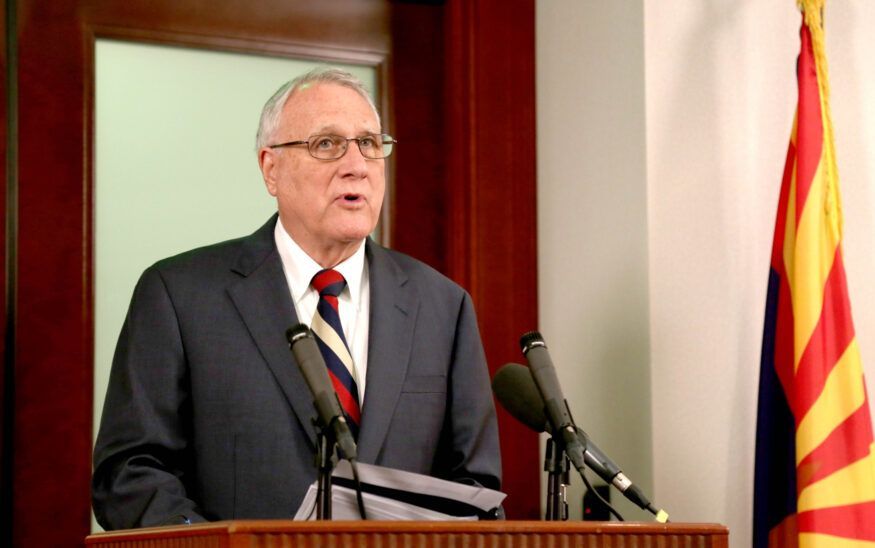
Kyl represented Arizona in Congress for nearly three decades and later returned to the Senate to fill John McCain's seat. A Nearly Three-Decade Congressional Career Former U.S. Sen. Jon Kyl, who represented Arizona in Congress for nearly three decades, died Wednesday at age 84, his family announced Thursday. Kyl served in the U.S. House from 1987 to 1995 and in the Senate from 1995 to 2013, rising to become the Senate's second-ranking Republican and serving as minority whip. He briefly returned to the Senate in 2018 after Gov. Doug Ducey appointed him to fill the seat left vacant by the death of Sen. John McCain. A Legacy in Western Water Policy Kyl was particularly influential on Western water policy, including work on Arizona groundwater legislation and tribal water-rights settlements. Final Years and Tributes Kyl announced in late 2025 that he had been diagnosed with dementia and was stepping back from public life. Arizona officials and former colleagues from both parties have issued tributes following his death.

Arizona's 6th Congressional District candidates clashed over HR1's effects on Medicaid funding, rural hospitals, and patient coverage. Health Care Takes Center Stage in CD6 Debate Health care policy dominated a debate last week for Arizona's 6th Congressional District, as Republican incumbent Rep. Juan Ciscomani and Democratic challenger JoAnna Mendoza sparred over the effects of federal Medicaid changes enacted last year under HR1. The debate comes as Arizona's health care community braces for changes to Medicaid eligibility and financing under the federal budget law enacted in 2025. What's at Stake for AHCCCS AHCCCS serves more than 2 million Arizonans, and coverage losses could increase uncompensated care and strain emergency departments and other safety-net physicians. The law also limits Arizona's ability to finance its Medicaid program through provider taxes, requiring the state's current 6% tax rate to decline to 3.5% by 2032. While the federal Rural Health Transformation Program will deliver $167 million to Arizona in its first year, most health care leaders say the funding will not offset what's lost. Where the Candidates Stand Ciscomani defended his support for the federal budget law, saying it protects Medicaid for those who need it while targeting fraud and strengthening program integrity. Mendoza called for reversing the Medicaid and AHCCCS reductions, arguing the changes could reduce coverage and add financial pressure on rural hospitals and other physicians. Watch the Debate Watch the full Ciscomani-Mendoza debate , or visit the Arizona Clean Elections site for a schedule of upcoming debates.

Arizona Physicians Urge CMS to Reconsider Proposed 2027 Medicare Physician Fee Schedule Changes

UnitedHealthcare announced it will cut back on the number of services requiring prior authorization by 30% beginning October 1, 2026. The major health insurance company first stated its intent to streamline prior authorization requirements earlier this year. Physician Specialties Impacted Physicians across multiple specialties can expect a decline in the amount of prior authorization paperwork required by the insurer later this year — according to its latest statement — including specialists in cardiology, genetic and laboratory testing, chiropractic care, physical, occupational and speech therapy, orthopedic and musculoskeletal procedures, and others. Insurance Plans United's cutback of prior authorization requirements will primarily impact its: commercial insurance plans Medicare Advantage plans individual insurance plans under the Affordable Care Act The company's new rural prior authorization waiver program also aims to ease administrative requirements for strained hospitals and clinicians in underserved areas of the country and will begin on November 1, 2026. Why Now? United's announcement comes after years of public scrutiny from physicians, patients, and others, who report that arduous prior authorization processes and other administrative burdens are endangering patients and overwhelming the healthcare system. Notably, the company was among the coalition of health insurance organizations that vowed to "streamline, simplify, and reduce prior authorizations" during a news conference with federal government officials in 2025. The Arizona Medical Association remains an active leader of efforts to reform commercial medical insurance in the state. We will continue to monitor the development and outcomes of United's prior authorization requirement changes.
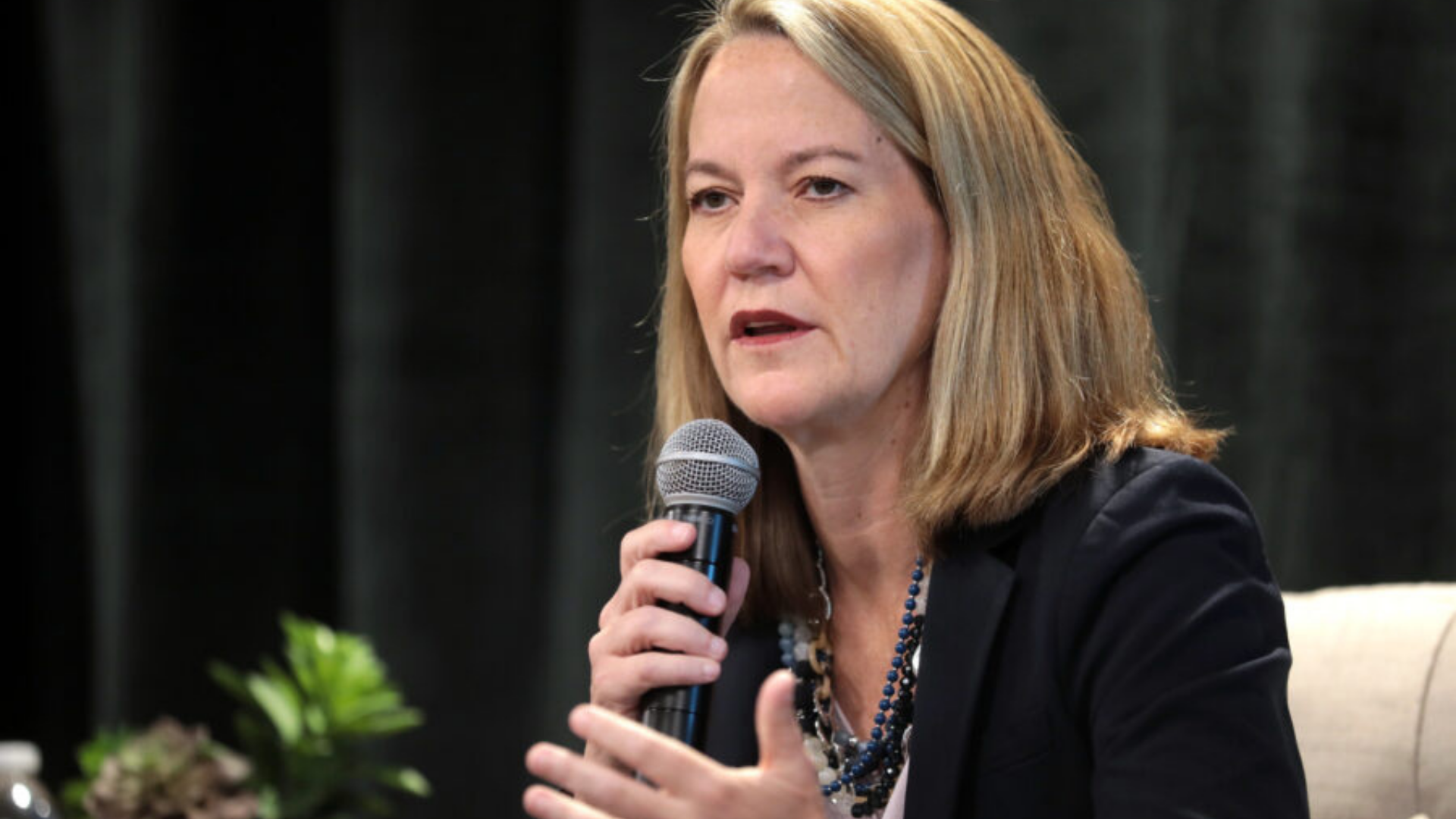
Arizona Attorney General Kris Mayes has declined to pursue criminal charges against Governor Katie Hobbs following a two-year investigation into allegations that Sunshine Residential Homes received a state rate increase in exchange for political contributions. What the Investigation Found Mayes said investigators reviewed more than 100,000 documents, along with campaign-finance records, state communications and other evidence, but found no evidence of the quid pro quo necessary to support a bribery charge. The investigation concluded that Sunshine's position as a major provider of foster-care beds, and the potential loss of hundreds of beds, played a significant role in the rate increase. Calls for Contractor Transparency Reforms While the investigation did not result in criminal charges, Mayes said the circumstances highlight weaknesses in Arizona's rules governing political contributions from state contractors. She is calling on both the governor and the Republican-controlled Legislature to work together on reforms that would increase transparency and public confidence around contractor donations. What's Next Other investigations into the matter remain ongoing, meaning the issue is not yet fully resolved.