Member Spotlight: Chisom Okuagu, DO
We're proud to introduce Chisom Okuagu, DO, as ArMA's March Member Spotlight.

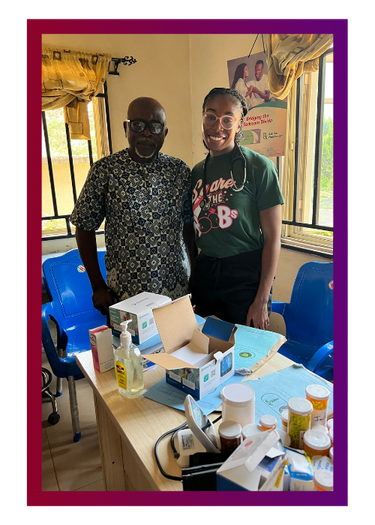
Dr. Chisom Okuagu is a family medicine resident at the University of Arizona College of Medicine-Phoenix and a member of the Arizona Medical Association's Board of Directors.
A native Arizonan and the daughter of Nigerian immigrants — a nurse and a pharmacist — she knew medicine would be an important part of her life and has pursued it with a sense of purpose ever since.
Before entering medical school, Dr. Okuagu served as a special education teacher in New Orleans, Louisiana through AmeriCorps' Teach for America program, an experience she says helped her foster the humility, active listening, and patient-centered philosophy that define her clinical approach today. Now training in family medicine and focused on the future of primary care in underserved communities, she has returned to the state she fondly calls home and to patients she is driven to serve.
In her interview with the Arizona Medical Association, Dr. Okuagu reflects on what drew her to family medicine, how teaching laid a strong foundation for her clinical interactions, and what a successful career in medicine looks like to her.
Watch Dr. Okuagu's Full Interview
In this conversation, Dr. Okuagu shares her path to family medicine, the lessons she carries from Teach for America, and her vision for addressing the primary care shortage.
Career Journey
What drew you to a career in medicine and, more specifically, family medicine?
"Honestly, I credit the exposure to medicine to both of my parents, Nigerian immigrants that now have careers in healthcare, my mom a nurse and my father a pharmacist. Fortunately, I actually enjoyed my science courses in school so the dream became less far-fetched. As I got older, I saw loved ones experience health challenges both here in the states, as well as in Nigeria, that were ultimately the results of lapses in health care. It was through these experiences that cemented the importance of quality primary care for me. As I advanced through my medical education, my family medicine rotation and incredible preceptor Dr. Russ Kennedy truly showed me how family medicine was boundless and can be so impactful to patients."
"It was through these experiences that cemented the importance of quality primary care for me.
— Dr. Chisom Okuagu
What song have you had on repeat lately?
"Honestly, Bad Bunny's DeBÍ TiRAR MáS FOToS has been on repeat since the Super Bowl, and it's not stopping anytime soon."
Prior to medical school, you served as a special education teacher in New Orleans through AmeriCorps' Teach for America program. How has that experience shaped your perspective and philosophy on the practice of medicine?
"I love this question. My experience with Teach for America has undoubtedly shaped the way I have moved throughout the world since that experience.
Honestly, my exposure to individuals in the disabled community was limited prior to teaching my students. Not to mention the naivety that is coming into the classroom as a 21 year old college graduate, serving as a team lead for several paraprofessionals/teaching assistants with several more years of teaching experience, and developing lesson plans for students with a variety of disabilities, all in the same classroom.
To this day, I would still say it was one of the hardest things I've ever done. It was also the most impactful. There was a humility that was crucial to being successful in that setting, because while you're serving as a leader in the classroom, you are also taking a backseat to truly and meaningfully observe the various dynamics in the classroom. It was in the listening and observing that I learned the most about what my students and paras needed in order to be successful both in the classroom, and in their communities. This is a philosophy I still practice when I see my patients and has helped me provide excellent care that helps me meet them where they are at."
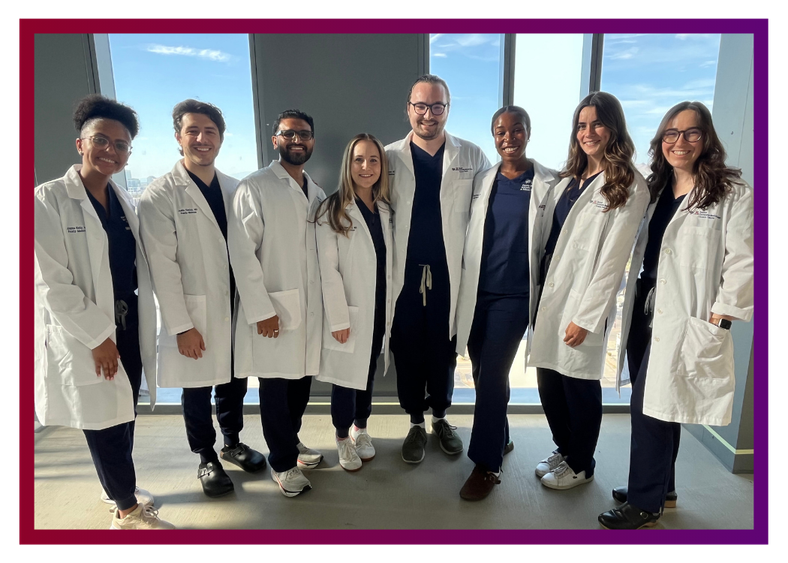
"It was in the listening and observing that I learned the most about what my students and paras needed in order to be successful both in the classroom, and in their communities. This is a philosophy I still practice when I see my patients."
— Dr. Chisom Okuagu
What is the last book you read?
Rock My Soul by bell hooks
Returning Home
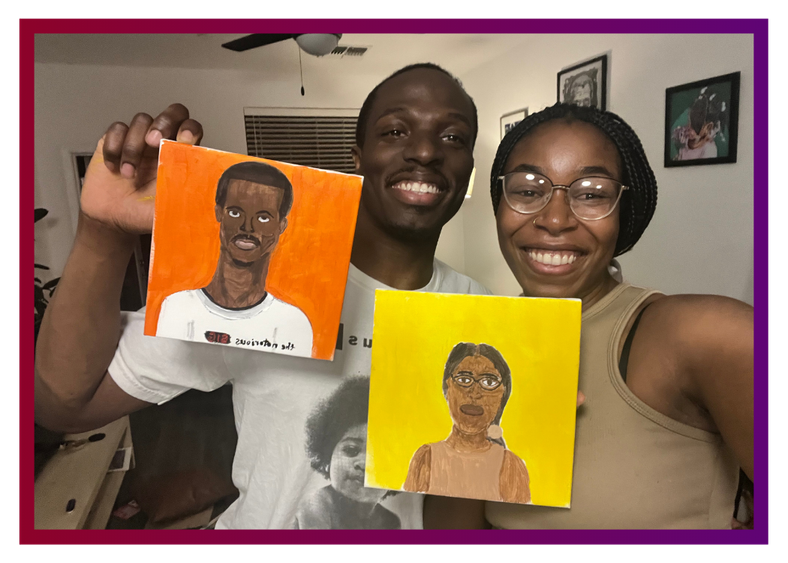
You grew up in Casa Grande, Arizona. After living and working in several locations around the country, you've returned to Arizona. What is it about our state that appeals to you as a place to live and serve patients?
"Well, as the saying goes, there's no place like home. I love the southwest — the sun, the red rock, the mountains, outdoor activities, diverse geography, the food, the culture. There is no other place like it across the country. These characteristics are reflected in the patients I serve which makes it that much more enjoyable. Plus, people tend to be generally happier and friendlier which is a huge bonus."
Where is your favorite place to grab food in Arizona?
"Cafe Desta is an Ethiopian restaurant in Tucson, AZ that I absolutely adore. I'm overdue for a trip but it is easily one of my favorite places to grab food in Arizona."
Advocacy & Primary Care
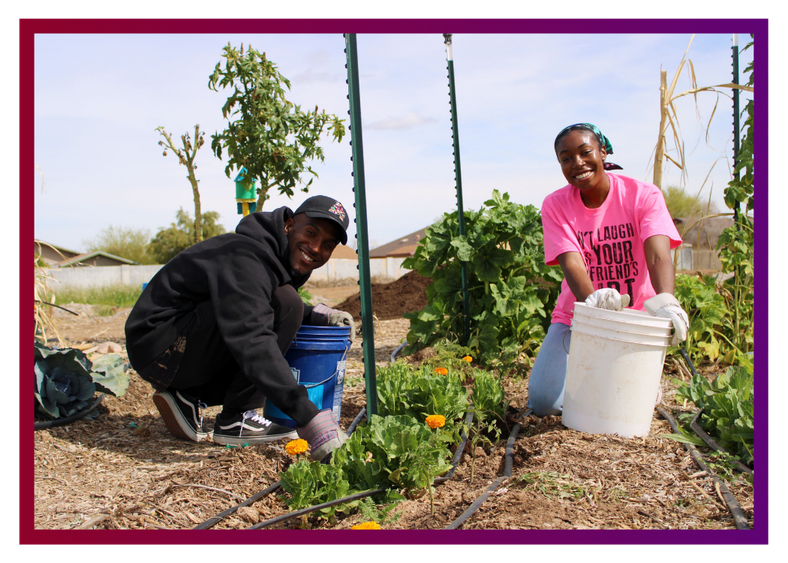
As a primary care specialist interested in serving rural communities, you are entering into the practice of medicine at a pivotal time. What do you see as crucial steps towards addressing the primary care shortage in the next decade?
"I think it comes in the exposure. There have been a number of developments made to increase teaching health centers in rural communities across the state and I hope these efforts continue nationwide. I would also urge medical schools to be intentional about incorporating all primary care core rotations into their clinical curriculum, especially family medicine. I've found that FM is a core rotation that tends to get excluded in medical school, especially in programs in the northeastern United States. This absence translates to decreased exposure to the specialty and perpetuates the shortage. These are just a couple of ideas that come to mind."
"I would urge medical schools to be intentional about incorporating all primary care core rotations into their clinical curriculum, especially family medicine."
— Dr. Chisom Okuagu
If you weren't practicing medicine, what would you be doing?
"Equally, if not more challenging, but I would have gone into astronomy! I remember in elementary school having the local community college's astronomy program do immersive events at my school and one of them involved a large inflatable dome in the cafeteria that you could enter and see the Milky Way projected onto the ceiling and it was one of the coolest things I have ever seen. I considered studying astronomy in college, but medicine had my heart."
What prompted you to become involved in organized medicine?
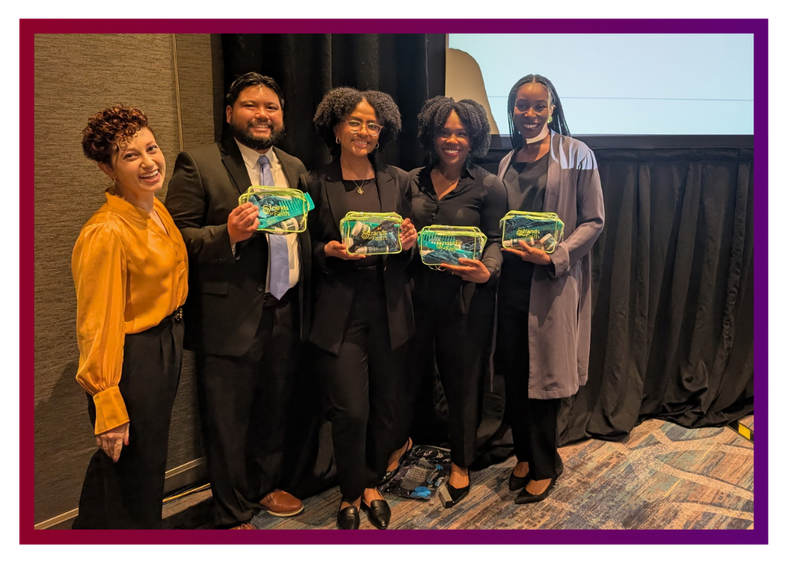
"During my 3rd year of medical school, my pediatrics attending invited me to an advocacy day for the American Academy of Pediatrics in Jefferson City, MO. After attending, I was immediately hooked. Joining like-minded individuals to advocate for our most vulnerable populations while providing medical education to the legislators that make the decisions that impact us in the clinical setting was all I needed to know that I wanted to integrate advocacy into my career permanently."
What would people be surprised to learn about you?
"I played the trombone for 7 years between middle school, high school, and college. Let me know if you're trying to put a jazz band together!"
Why is ArMA important to you?
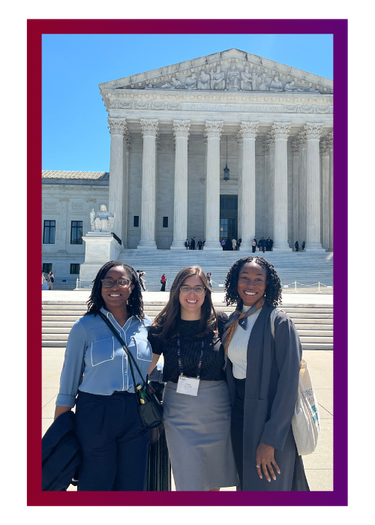
"ArMA brings together the House of Medicine in Arizona — across all specialties. We really do speak more loudly when we speak together. And in today's climate, medicine and science needs all the advocacy it can get."
"ArMA is multidisciplinary and multigenerational and brings together physicians and physician trainees from all walks of life with the ultimate vision of strengthening the communities we serve."
— Dr. Chisom Okuagu
What are your top 3 favorite movies or TV shows?
The Office, Portlandia, Insecure. These shows have very high rewatch value for me.
At the end of your career, what do you hope to say you've been able to accomplish and achieve throughout your journey with medicine?
"While this could change in the future, I am hoping to work in an FQHC, serving patients both in the exam room and through systemic efforts I envision achieving at a more administrative level. I haven't fully ironed out all of the details, but it would definitely involve a balance of clinical duties, public health research and quality improvement, grant writing to fund programming that benefits the community, and being in communication with staff and employees about what could enhance their experience in their workplace, all the while working with physicians-in-training, teaching medical students and residents in some capacity. I guess that answer evolved into a mid-to-end of career goal, but I am hoping to have achieved these things by the end of my career."
Join Dr. Okuagu and Arizona's Leading Physicians
Become an ArMA member and be part of the advocacy that's shaping
the future of healthcare in Arizona.