
Meet Dr. Mary Ballard

February 7, 2022
Portrait of Leah Sanford in glasses, smiling against a gray background with a purple frame and award badge.

Meet Mary Ballard, MD


The ArMA Member Spotlight this month is Dr. Mary Ballard. She specializes in internal medicine and has over 40 years of patient care experience. In addition to her achievements in the medical field, Dr. Ballard is an award-winning figure skater and a published author. She became an ArMA member in 2021 because of the organization's commitment to encouraging physicians to be proud of their profession and consistently strive for excellence.


Learn more about Dr. Ballard below! 👇

What inspires you?


The human race. I love people, which is why I became a doctor. The stories of their lives are amazing, and I feel privileged to be a part of their journey.


What has been the most memorable event in your career?


I started medical school in 1979, and I recently realized I have taken care of people who survived every major conflict our country has faced: WWI, WWII, the Korean War, the Vietnam War, the Persian Gulf War, 9/11, the War in Afghanistan, and the Iraq War. I admire their bravery both at home and abroad.


What do you like doing in your spare time?


I started figure skating at age 52 without prior formal training. A few years ago, I won the West Coast Spotlight competition by skating to the Star Wars theme song and wearing a Princess Leia costume... I even wore a wig with her hair buns! 


What place would you most like to visit?


Ascoli Piceno, Italy, because it is where my mother, grandparents, and ancestors are from. Apparently, my ancestor Antonio Vinciguerra was a famous political satirical writer in the 15th and 16th centuries and traveled in Machiavelli’s circle.


If you weren't a physician, what would you be up to right now?


Writing novels. I self-published a novel a few years ago titled Revealed. It is about a woman ER doctor who is stalked and moves to Alaska to be the town physician for a logging community. Currently, I am compiling a series of vignettes to be published as a book, Stories of Hope and Wonder. The vignettes reflect my experience working in nursing homes and the wonderful stories of courage I heard from my patients.


What’s the most interesting thing you’ve read or seen this week?


The movie Balto. It is based on a real dog who lead a dogsled team 674 miles to Nome, Alaska to deliver much-needed serum to save the citizens from a diphtheria outbreak in 1925. I own a Siberian Husky, and I am proud of his heritage.


What would you like remembered about you?


When the chips are down, you can count on me.


What is your favorite meal? Least favorite meal?


My favorite meal is spaghetti... I’m Italian. I hate pea soup; I got sick on it at age 5, and I have never eaten it since!


What is the one accomplishment you’re most proud of?


I named a beer. When I practiced medicine in Seattle, one of my patients made homemade beer. It was a Russian dark beer recipe, and he needed a name for it. I am a WWII buff, and I told him about a group of Russian female fighter pilots whose average age was 19 and who would dogfight the Nazis in biplanes. The Nazis feared them so much that they nicknamed them the “Night Witches,” so he named the beer Night Witch.


What do you like best about living in Arizona?


Sunshine, sunshine, and more sunshine. I lived in Seattle for 29 years!


What does a typical day in your life look like?


Nothing comes before coffee and a bran muffin in the morning; after that, I’m open to whatever comes my way.

Are you a collector? If so, what do you collect?


Coffee mugs. Every time I travel, I buy a mug from the place I visited. That way, I can reminisce about my travels every morning when I have my coffee.

What’s your idea of a perfect day?


Any day I get to ice skate and enjoy a cup of hot cocoa afterward.


What prompted you to become involved in organized medicine?


I still believe medicine is a noble profession of which we should be very proud. ArMA encourages physicians to be proud of their profession and consistently strive for excellence.

Why is ArMA important to you and your colleagues?


ArMA gives us a voice and a sense of community. With both a voice and a sense of community, all things are possible.

By Admin User • September 18, 2026
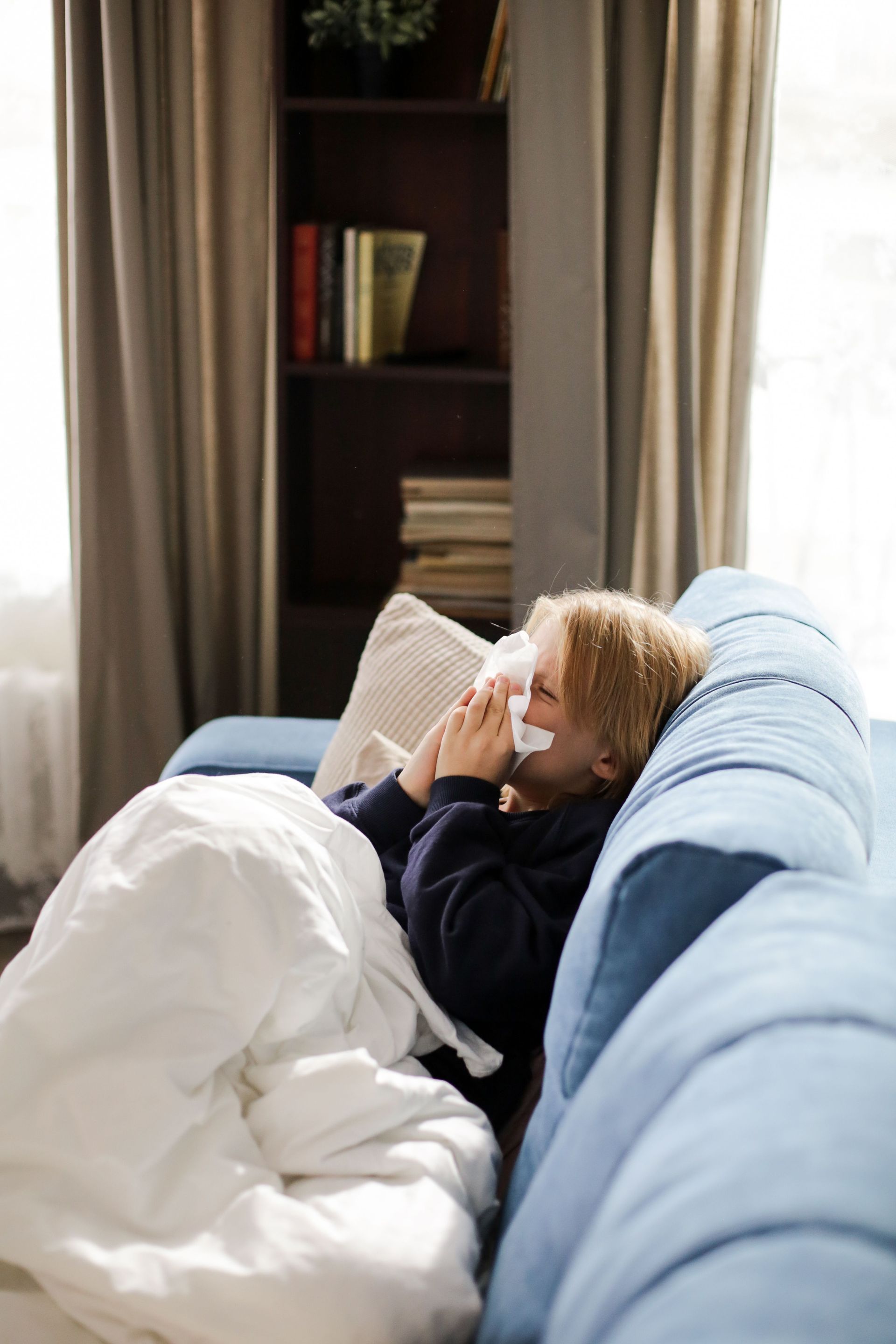
Statewide orders keep pharmacists and physicians authorized to vaccinate Arizonans amid uncertainty over the next ACIP meeting. Statewide Orders Cover the 2026-27 Flu & COVID Season The Arizona Department of Health Services has issued statewide standing orders supporting access to the 2026-27 influenza and COVID-19 vaccines approved by the U.S. Food and Drug Administration. Arizonans seeking a flu or COVID-19 vaccine should contact their physician or pharmacy to confirm availability. Why the Orders Were Issued Arizona pharmacists may administer vaccines recommended by the Advisory Committee on Immunization Practices, vaccines recommended by the Centers for Disease Control and Prevention for international travel, or vaccines authorized under a prescription, including a physician-issued public health standing order. With the timing of the next ACIP meeting uncertain, ADHS worked with the Arizona Board of Pharmacy to issue statewide standing orders for the flu and COVID-19 vaccines, which function as a prescription allowing pharmacists and physicians across Arizona to administer them to anyone who wants one. ADHS Medical Advisor Weighs In "Vaccines are one of the most important tools we have to protect our communities. The Influenza and COVID-19 vaccines have been proven safe and effective at preventing severe illness, hospitalization, and death. Vaccines help us limit the spread of disease, reduce pressure on our healthcare system and reduce costs," said Dr. Richard Carmona, ADHS public health medical advisor and the 17th U.S. Surgeon General. "We have issued these standing orders to ensure safe and timely access to the vaccines in alignment with scientific and evidence-based guidance." What Arizonans Should Know The standing orders do not require every pharmacy to offer vaccinations, and they do not guarantee insurance coverage for administration. Coverage and out-of-pocket costs vary by plan, so Arizonans should check with their insurance provider before scheduling an appointment. 
By Admin User • September 18, 2026
State attorneys seek an emergency stay after lower courts reject bids to delay receivership of the prison health care system. State Makes a Last-Ditch Appeal Attorneys for the Arizona Department of Corrections, Rehabilitation and Reentry asked the U.S. Supreme Court this week to delay a court-ordered receivership of the state's prison health care system. The request comes after both a federal district court and the 9th U.S. Circuit Court of Appeals declined to pause the takeover. In the recent application, former U.S. Solicitor General Paul Clement, a representative of the department, argued that the state deserves more time to make its case before surrendering control of its operations, including oversight of its employees and health care budget. Roots of the Case The dispute began in 2012 when inmates sued the department, alleging the prison system's inadequate medical, mental health, and dental care amounted to cruel and unusual punishment under the Eighth Amendment. The case went through years of litigation and a failed settlement agreement. In 2023, U.S. District Judge Roslyn Silver ruled that the health care system was "grossly inadequate." The court ordered the prison healthcare system to comply with more than 150 "quality indicators," but according to court-appointed monitors, the department failed to comply with 131 of the measures. In light of this finding, Silver named Annette Chambers-Smith, former director of the Ohio Department of Rehabilitation and Correction, to take over as receiver effective Oct. 19. Arguments on Both Sides Clement argues receivership should be the last resort and that Silver moved to it too quickly. He asserts that the department has made measurable progress, including growing its health care staffing by more than 50%, expanding substance-use treatment access, and adopting a new care model. Corene Kendrick, deputy director of the American Civil Liberties Union National Prison Project, which represents the roughly 25,000 people incarcerated in Arizona prisons, called the department's request a "Hail Mary" and said Silver had given the department years of opportunities to comply before ordering receivership. What Happens Next The Supreme Court has not yet set a deadline for the plaintiffs to respond to the stay request. Separately, the 9th Circuit is now reviewing the merits of the receivership order itself. The department filed its opening brief on Sept. 15, and the plaintiffs' response is due Oct. 15. Information in this article was sourced from the Arizona Mirror .