
Eight Statewide Ballot Measures Set for Arizona’s November Election

August 21, 2026

Arizona Voters Will Decide the Outcome of These Eight Measures

Voters will have eight ballot measures to consider when they head to the polls on November 3rd, following a recent series of Arizona Supreme Court decisions that finalized the list. The measures span a wide range of issues, including elections, education, taxes, transportation, public safety, and the use of photo-enforcement cameras. 


  • Proposition 141: Prohibits state and local governments from imposing taxes or fees based on the number of miles a motor vehicle travels and restricts monitoring or limiting vehicle mileage without the owner’s consent. 
  • Proposition 142: Prohibits government entities, including public schools and universities, from providing preferential treatment based on race or ethnicity and restricts certain diversity, equity and inclusion programs. 
  • Proposition 143: Requires school districts to direct at least 60% of certain operational spending toward classroom instruction and places restrictions on the use of district resources for labor organizations. 
  • Proposition 144: Establishes additional constitutional requirements related to voter citizenship and identification, including new identification requirements for certain forms of voting. 
  • Proposition 316: Prohibits cities and towns from imposing or increasing taxes on food without voter approval and limits the rate of certain local food taxes. 
  • Proposition 317: Designates drug cartels as terrorist organizations under Arizona law and expands the state’s legal framework for addressing cartel-related activity. 
  • Proposition 318: Establishes restrictions on participation in certain interscholastic and intramural athletic programs based on biological sex. 
  • Proposition 319: Requires voter approval before many local governments can establish or expand photo-enforcement systems, with certain exceptions. 


Two other proposed measures that were previously headed toward the ballot were removed following court challenges.


If you want to participate in the General Election, you must register by 11:59 p.m. on October 5. Eligible voters can register online through the Arizona Secretary of State’s voter registration portal if they have an Arizona driver's license or non-operating ID, or they can register by mail or in person through their county recorder’s office. 


For additional election information and key deadlines, voters can visit the Arizona Secretary of State’s 2026 Election Information page. 
By Admin User • October 2, 2026
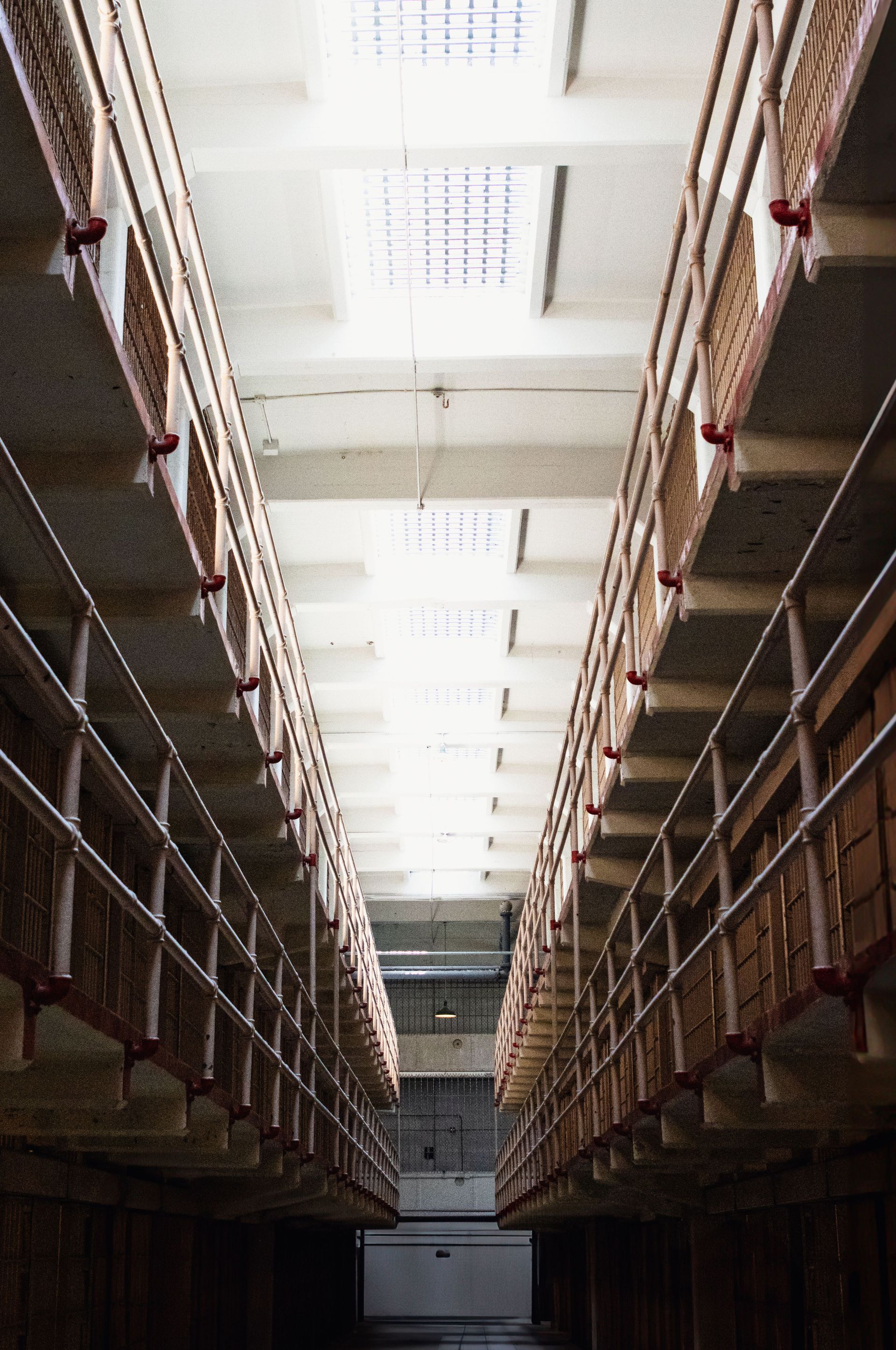
State Attorneys Denied Emergency Stay on Court-ordered Receivership of Prison Health Care System The U.S. Supreme Court on Thursday denied Arizona's last-ditch effort to temporarily halt a court-ordered takeover of health care operations and management within state-run prisons. Without an emergency stay of the court's order, Arizona's Department of Corrections, Rehabilitation and Re-entry must turn over the management of its health care operations for roughly 25,000 incarcerated people to Annette Chambers-Smith, former director of the Ohio Department of Rehabilitation and Correction, beginning on October 19. Roots of the Case The dispute began in 2012 when inmates sued the department, alleging the prison system's inadequate medical, mental health, and dental care amounted to cruel and unusual punishment under the Eighth Amendment. The case went through years of litigation and a failed settlement agreement. In 2023, U.S. District Judge Roslyn Silver ruled that the health care system was "grossly inadequate." The court ordered the prison healthcare system to comply with more than 150 "quality indicators," but according to court-appointed monitors, the department failed to comply with 131 of the measures. In light of this finding, Silver mandated that health care in Arizona prisons would be overseen by Annette Chambers-Smith, former director of the Ohio Department of Rehabilitation and Correction, to take over as receiver effective Oct. 19. A Last-Ditch Appeal Attorneys for the Arizona Department of Corrections, Rehabilitation and Reentry asked the U.S. Supreme Court to delay a court-ordered receivership of the state's prison health care system. The request came after both a federal district court and the 9th U.S. Circuit Court of Appeals declined to pause the takeover. In the application, former U.S. Solicitor General Paul Clement, a representative of the department, argued that the state deserves more time to make its case before surrendering control of its operations, including oversight of its employees and health care budget. Arguments on Both Sides Clement argues receivership should have been the last resort and that Silver moved to it too quickly. He asserted that the department made measurable progress, including growing its health care staffing by more than 50%, expanding substance-use treatment access, and adopting a new care model. Corene Kendrick, deputy director of the American Civil Liberties Union National Prison Project, which represents the roughly 25,000 people incarcerated in Arizona prisons, called the department's request a "Hail Mary" and said Silver gave the department years of opportunities to comply before ordering receivership. What Happens Next Health care for thousands of incarcerated people will be managed under Chambers-Smith's oversight, as mandated by Silver, beginning on Oct. 19. The receivership affects all nine of Arizona's state-run prisons but will not impact health care for inmates in private facilities. Information in this article was sourced from the Arizona Mirror and Arizona's Family .
By Admin User • October 2, 2026
Eligible clinicians and group practices can request a targeted review of their final score before 2027 payment adjustments take effect. Final Scores Are Out, Adjustments Follow in About a Month The Centers for Medicare & Medicaid Services has released Merit-based Incentive Payment System performance feedback and final scores for the 2025 performance year. The 2025 final score determines the payment adjustment eligible clinicians and group practices will receive in 2027, and 2027 MIPS payment adjustments will be available in approximately one month. If an eligible clinician or group practice believes CMS calculated their final score or 2027 payment adjustment incorrectly, they must file a targeted review with CMS within 60 days. How the Targeted Review Window Works The targeted review window opened with the release of final scores and will close 30 days after the release of MIPS payment adjustments. CMS will announce the release of payment adjustments through the QPP listserv in approximately one month. CMS generally requires documentation to support a targeted review request, which varies by circumstance, and a CMS representative will contact applicants about any specific documentation required. If a targeted review request is approved and results in a scoring change, CMS will update the final score and, if applicable, the associated payment adjustment as soon as technically feasible. Common Reasons to File a Targeted Review Data were submitted under the wrong Tax Identification Number or National Provider Identifier. The clinician has Qualifying APM Participant status and shouldn't receive a MIPS payment adjustment. Performance categories weren't automatically reweighted despite qualifying for reweighting due to extreme and uncontrollable circumstances. How to Request a Targeted Review Sign in at qpp.cms.gov using HARP credentials, or ACO-MS credentials for Shared Savings Program ACOs — the same credentials used to submit 2025 MIPS data. Then click "Targeted Review" in the left-hand navigation. Source: American Medical Association, Centers for Medicare & Medicaid Services, Quality Payment Program