ArMA Member Spotlight: Holly L. Geyer, MD!
We're proud to introduce Holly L. Geyer, MD as ArMA's February Member Spotlight!
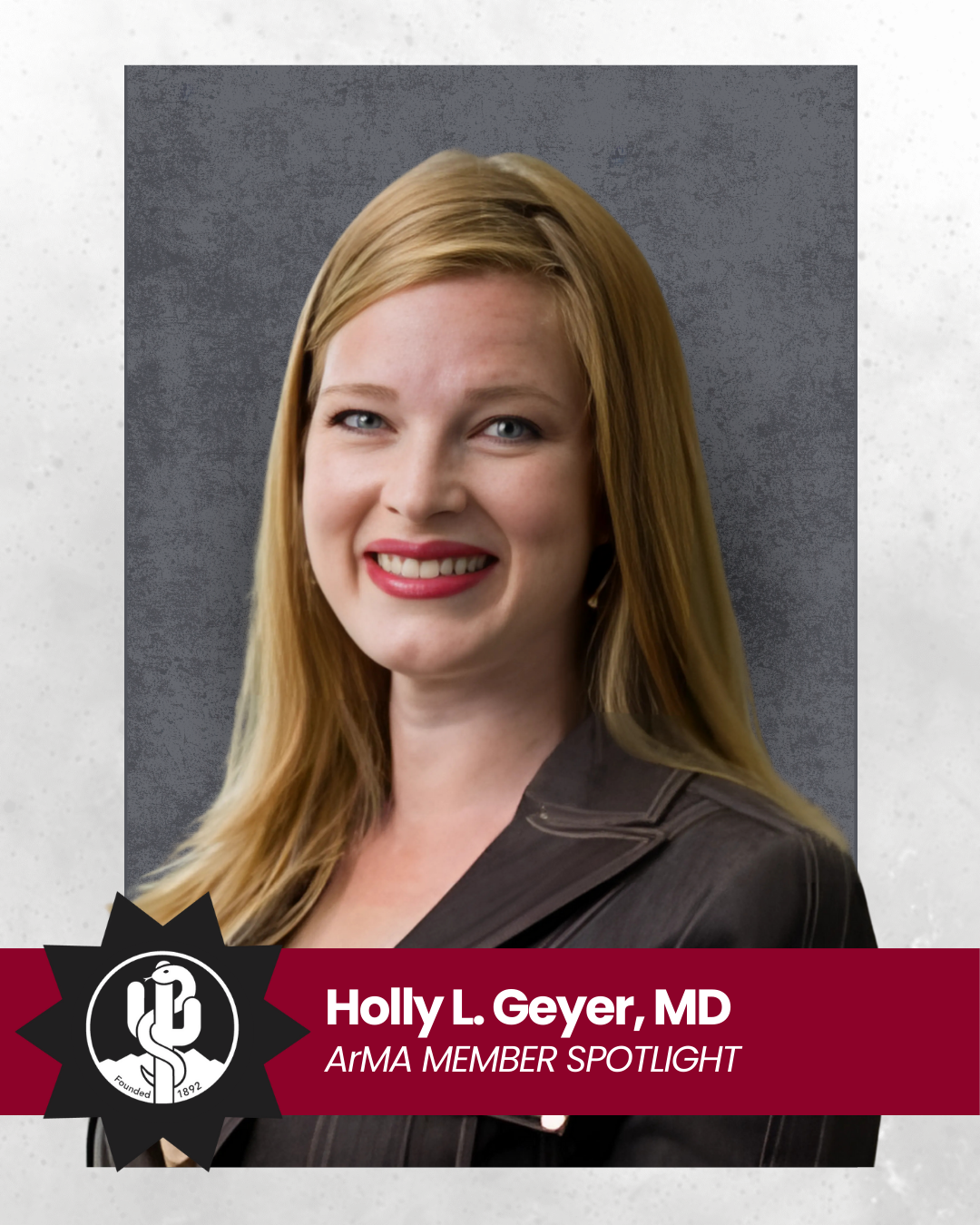
Dr. Geyer is a hospitalist specializing in internal and addiction medicine at Mayo Clinic Arizona and a previous member of ArMA's Legislative & Governmental Affairs Committee. She is a leader in research, advocacy, and policy, with a track record of driving change in public health and patient care throughout the Valley and beyond.
Committed to combating the opioid crisis, Dr. Geyer spearheaded STOP-IT, an initiative to equip Arizona schools with life-saving overdose preparedness resources. Her work is a testament to the unique power of physicians in shaping healthcare policy and improving public health.
Learn more about Dr. Geyer's story below!
Share a project or campaign that triggered your interest in grassroots initiatives. How did you hear about it, and how did you get involved?
"All of us have titles. And most of us shrug the two-lettered ones when we step across our ‘welcome’ mat. The most treasured designation I will hold in this life is ‘mom’. But emerging data made it apparent that the threat of addiction and overdose my three young kids would face in our country was anything but theoretical. And it wasn’t waiting for adulthood.
With more than 50% of all US fentanyl coming directly through Arizona borders and America losing a classroom worth of kids weekly, it was time to get proactive. I formed a small group of clinicians and government representatives to help investigate the topic of opioid overdose preparedness in Arizona schools. We identified that there were no standardized overdose policies/procedures, naloxone procurement plans, school referral resources for addiction or staff/student overdose prevention and management training tools.
Together, we drafted an executive summary and brought it to the attention of the Arizona Department of Education. Superintendent Tom Horne embraced the opportunity to address the subject and I was invited to chair the ‘S chool Training Overdose Preparedness and Intelligence Taskforce’ (STOP-IT), a now 60+ member multidisciplinary working group. We were pleased to meet our deliverables and release a finalized Toolkit to all 2000 Arizona schools this January, along with a replenishable supply of 16,000 doses of naloxone-graciously supplied by our AZDHS and AHCCCS partners. There is an appetite for grass-roots engagement in this state and impending budget cuts may make our collaborative support all the more necessary in the coming years. "
What have you gained personally and professionally from being part of initiatives that drive change in healthcare?
"A sense of purpose that my day job could never deliver.
Let me be clear: I adore patient care, particularly when caring for patients struggling with addiction, but my level of impact on the ‘n of 1’ each day left thousands of patients outside my walls bereft of the same intervention. It didn’t sit well. If we’ve built answers for one, why not apply them on a mass scale?
I’ve been blessed to serve with an organization that embraces this same philosophy and empowers the providers that champion them. Mayo Clinic put forth a host of resources and tools to help enable systematic change to the healthcare system’s role in addressing the opioid crisis-both inside and outside our organization’s borders.
A few years ago, we started an Opioid Stewardship Program (OSP). As Physician Lead in Arizona, I’ve worked to build an external form of our program for third party purchase targeting the 77% of US healthcare systems that lack one. Once available, this resource will offer access to 100’s of patient educational handouts and videos, protocols/policies, department workflows, EHR enhancement builds, healthcare provider training tools, consultation hours and more.
Mayo further supported the authorship of my book, ‘Ending the Crisis: Mayo Clinic’s Guide to Opioid Addiction and Safe Opioid Use’ which serves as the only patient-facing resource addressing the topics of pain management, safe use of opioids, and management of opioid-related complications, including addiction. Our School of Professional Development (MCSCPD) recently converted this into an audiobook and it is now CME approved plus meets the DEA 8 hour training mandate required of all DEA-licensed US providers.
A surprising addition to my roles was a recent appointment as Medical Advisor to the NFL Alumni Association’s Health Initiative (NFLAH) and the request to initiate national opioid-related healthcare campaigns on their behalf. Last year, I was able to foster a partnership between the DEA and NFLAH, and our NFL alumni are now the leading face of the DEA’s One Pill Can Kill campaign strategy.
These are just a few of the initiatives I’ve had the privilege of partnering in, and it’s gratifying to see contributors build on their momentum. The more partners willing to participate, the sooner this crisis ends."
What would people be surprised to learn about you?
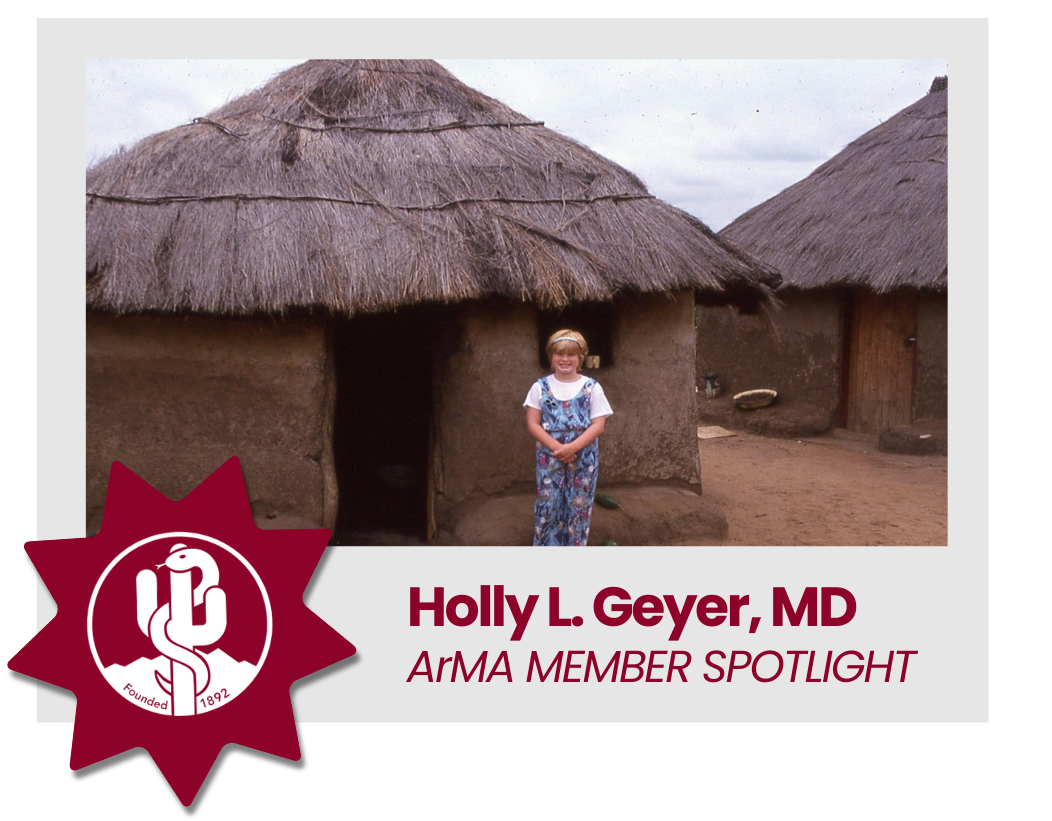
"I grew up in rural South Africa during the 1980’s apartheid. My parents had moved us there when I was four to offer humanitarian work as Christian missionaries. I spent much of my young childhood in the impoverished Black townships and I’ve witnessed states of social depravity even modern television censors. Add this to the years of serving in the non-profit realm and the result is a mental phenotype that finds little satisfaction in chasing the material. I’m convinced that life is about people, about souls and chasing our God-given purpose. You’ll be hard-pressed to find a better environment to execute this viewpoint in than medicine. It’s a mindset we work to instill in our kids as they navigate our increasingly materialistic society. The friction is real. But they’re adapting. And if there’s one thing they’ve learned thus far, it’s that it’s hard to beat the deals at Goodwill!"
What prompted you to become involved in organized medicine?
"When I was 10, my parents started a small, non-profit substance use disorder treatment program in Minnesota and I grew up immersed in the recovery world. But as the organization grew, I witnessed the explosive transformation that took place once they chose to pursue non-mandated state licensure.
As the standards went up, so did client outcomes. Bed availability followed and this once fledgling organization now serves more than 1000 inpatients daily. Witnessing the incredible impact of adhering to evidence-based standards and engaging in benchmark monitoring set the stage for my career commitment to building standards in healthcare.
Transitioning from behavioral health to the world of medicine, I carried this passion but lacked change-management skills. So, after finishing residency, I joined ArMA’s Legislative and Government Affairs Committee and for the following eight years, observed the intricacies of how viewpoints and positions become policy and policy drives results. Watching ArMA navigate divergent viewpoints, balance strategy pros and cons, and forecast the long-term political and patient care impact of their decisions offered an unmatched training experience.
The information I’ve since been able to apply to the multiple state and national boards and committees I chair/serve on has guided critical decisions and opened new doors. For providers investigating ways to bring large-scale impact to their field through legislative or state agency channels, I cannot more highly recommend approaching ArMA to explore involvement."
Where is your favorite place to grab a bite in Arizona?
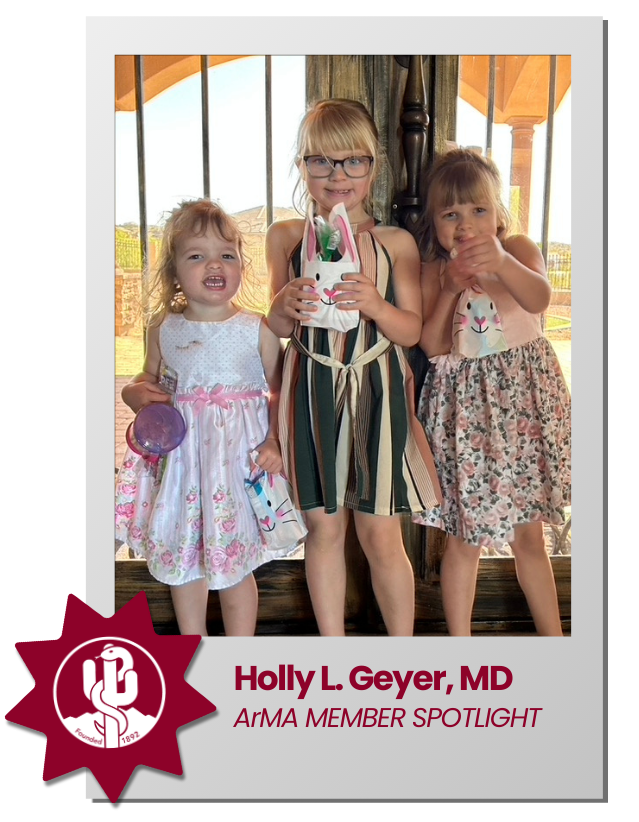
"Our kids are 3, 5 and 7. Date night usually consists of me and my husband foraging for chicken nuggets that don’t defy health codes still stuck between the car seats. I suspect I am in a better position to take suggestions than offer them."
How has a book changed your perspective on life?
"The book, The One Thing by Gary Keller was revolutionary. For providers that face the daily battle of organizing competing priorities and keeping an ever-growing to do-list manageable, this is the book for you.
Its premise is simple: for any list of to-do items, you’ll often find that a single intervention seemingly unrelated to the items on the list will resolve many items all at once. It’s hard to believe, but I’ve seen it in action.
A few years ago, I struggled with keeping my to-do list accurate. I was writing myself emails, scribbling reminders on paper, and relying on my 3-year-old to jog my memory. It was chaos, and I was missing deadlines.
My initial reaction was to begin dropping activities. But the logic in this book helped me realize that my schedule was not out of control- my ability to capture it in one place was. I ended up researching the best ‘to-do list’ apps, installed one on all my devices and made it Alexa-friendly. I now speak new to-do items directly into my iWatch and its updated on all technology within seconds. Life-changing! "
If a physician has an issue that they're passionate about, where should they start if they want change? Are there any pitfalls for them to avoid?
"If you want to go far, travel together. I didn’t coin this phrase- I just quote it like it’s on sale and about to catch on fire.
I can’t overstate the value of forming an initial working group to review the problem. When choosing members, identify what content is within your lane and liberally recruit all other expertise to the table. If your topic is of a political nature or involves a specific sector of government, ensure legal expertise and invested government stakeholders are in the group. High-ranking elected representatives from medical societies germane to your topic can carry significant influence!
Remember, our industry’s greatest tool is evidence. Do your homework and pull multiple high-quality studies to make your case. Be sure to also include an assessment of current state including metrics-you’ll need these numbers as benchmarks when you later review the value of your interventions. Once all of this is collected, compile it into a summary document and include the risks of inaction and your team’s proposed solutions. If available, approach your institution’s Government Relations team for assistance on next steps. If not an option, consider reaching out to advocacy organizations like ArMA or your local legislative representatives.
Remember that state agencies are usually strapped for resources and staff. They are unlikely to solve your problems for you. But if you do your homework and offer evidence-based solutions that account for current infrastructure barriers (such as funding) plus bring a workforce to work towards change, it will be hard to turn down your offer. "
What is one message you would give to your 18-year-old self?
"Life is not a marathon. It’s a series of sprints and breaks. There have been periods of my life when 24 hours/day seems a subatomic injustice to the size of my agenda, and other stretches where I’m convinced the only thing I contribute to society is carbon dioxide. In looking back, I wish I had embraced the pauses-seen them not as moral evasions from productivity, but recovery periods critical to surviving the next phase. Busy people create business-it’s the nature of momentum. But results don’t materialize all at once. If you’ve been given the rare privilege of a season to relax while previous investments cultivate, take it and appreciate the moment."
Why is ArMA important to you and those you lead?
"We often apply the phrase ‘medical community’ when wishing to convey the cohesive philosophical and operational station of our profession. But are we actually unified? There is always something we can agree on, and ArMA exists to negotiate and champion that undivided voice. The organization harnesses our expertise and earned credibility, then delivers it to the public and policymakers in the form of common-sense solutions that validate our industry’s collective resolve. "