ArMA Member Spotlight: George Bradbury III, MD!
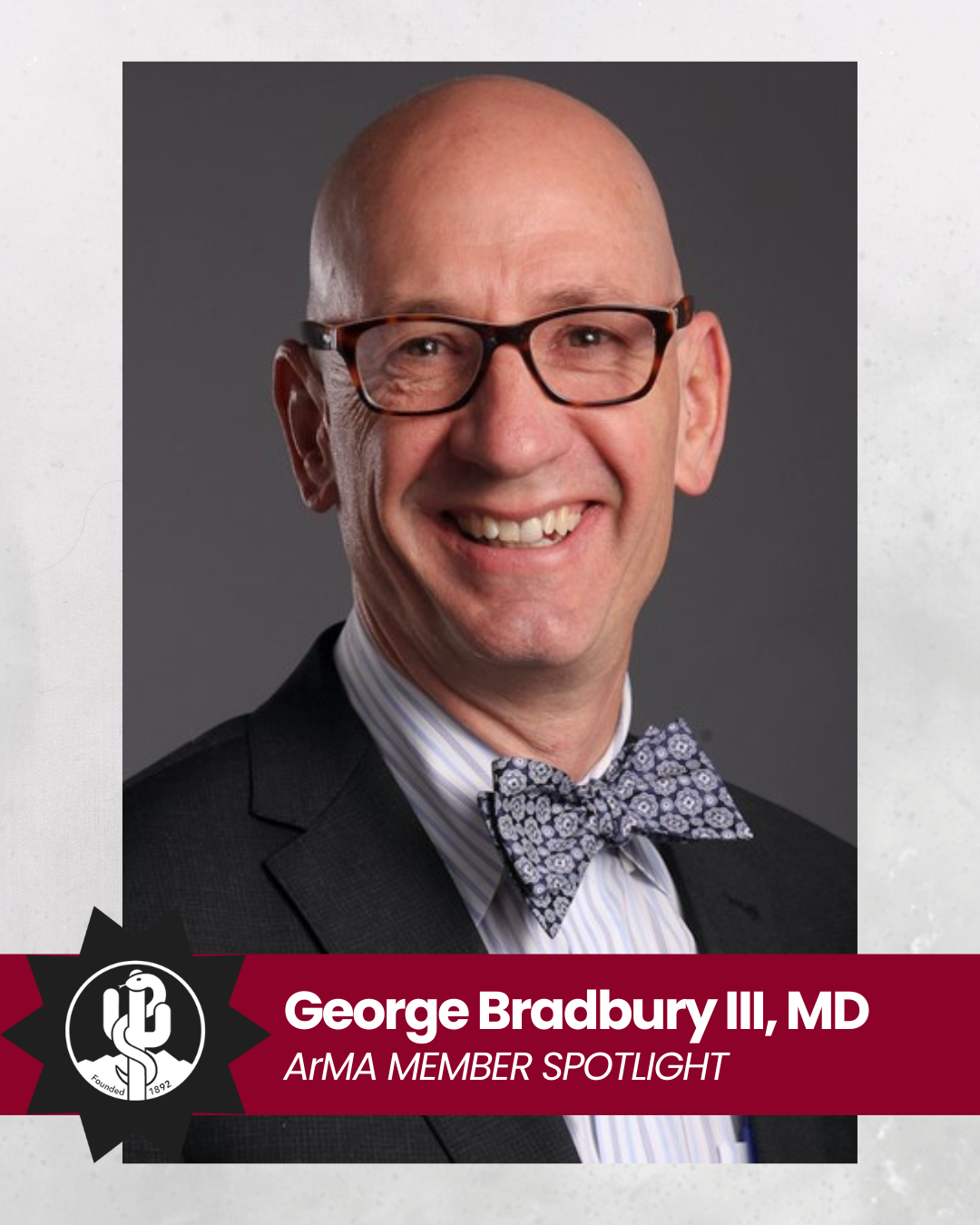
We are so excited to introduce this month's ArMA Member Spotlight, George Bradbury III, MD! Dr. Bradbury attended medical school at Johns Hopkins University. He completed his residency training at the University of Arizona and, shortly after, served in Yokosuka, Japan, as an orthopedic surgeon for the United States Navy. In 2006, Dr. Bradbury relocated to Tucson, Arizona, where he began his legacy of impacting the practice of medicine in the Southwest. Dr. Bradbury has been an ArMA member since 2009, and he currently serves on our Diversity, Equity, and Inclusion Taskforce.
Dr. Bradbury has always worked to inspire others. In 2022, he gave a powerful talk on the role and value of leadership in an independent medical practice (which you can view here). Learn all about Dr. Bradbury's journey with medicine below!
What has been the biggest change in your career?
"The transition from clinical medicine to focus on systemic problems of wellness and health. I have come full circle from my initial interest in Family Practice to a career in orthopedic surgery, back to leading a team of nurse practitioners delivering care to the sickest of the sick and poorest of the poor."
What inspires you?
"I am inspired by the possibilities of the future and the power of human connection."
What are your 3 favorite movies?
"Everything Everywhere All at Once". "Jaws." "Amadeus."
How has a book changed your perspective on life?
"Daniel Kahneman's Thinking Fast and Slow sparked my interest in human perception, thought, and behavior. He was a remarkable human who started the field of behavioral economics. That book set me down a path lined with many other books on related topics."
Where is your favorite place to grab a bite in Arizona?
"Feast restaurant in Tucson. Great food that changes monthly and never disappoints."
What success in your career are you most proud of?
"I hope I have inspired those I work with to believe in themselves and have a 'growth' outlook on their lives. If I inspire them to have a richer, more fulfilling life, that is enough."
What's a project you're working on right now? Why is it meaningful to you?
"I am working with Catholic Community Services to develop a medical respite facility for people experiencing homelessness. When they are injured or ill, we will provide a stable discharge location after hospitalization. Our goal is to restore their health and provide support to regain housing and other basic needs on a permanent basis."
If you weren't pursuing medicine, what would you be up to right now?
"Advocating for a more equitable society."
What is one message you would give to your 18-year-old self?
"Don't be seduced by the 'certainty' of a linear path through life. The twists and turns of a non-linear path are far more rewarding. Go where your interests take you, not where you are told to go."
What do you like best about living in Arizona?
"This is an amazing state with many opportunities for outdoor activities. At one point in my life, it was ideal for the endurance sports training I was involved in."
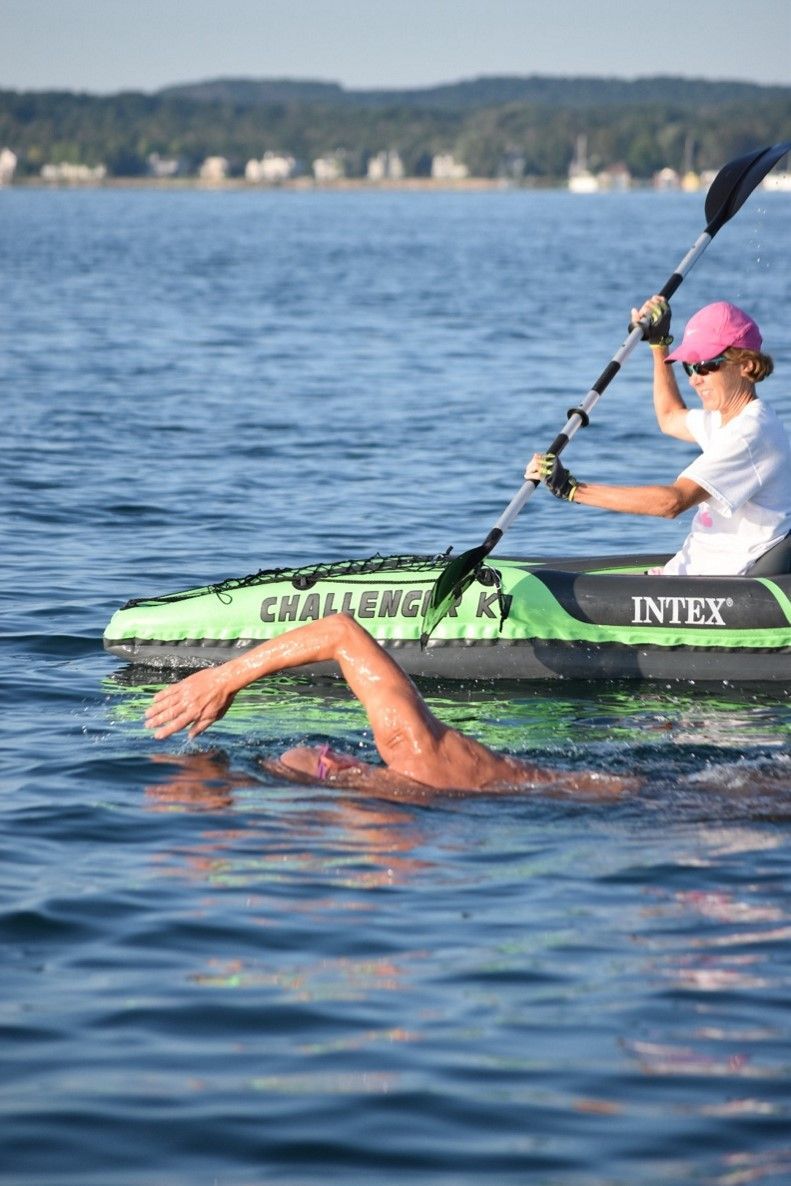
What would people be surprised to learn about you?
"I did a solo swim from Europe to Africa."
What prompted you to become involved in organized medicine?
"When I entered private practice after the Navy, I recognized that the 'system' requires decisions be made on an ongoing basis. We operate in a dynamic ecosystem that destroys any 'set it and forget it' approach to strategy, policy, and process. We all feel comfortable seeing patients in the hierarchical vertical structure of the office where, presumably, everyone's role is clear. The focus there is on 'efficiency' and 'knowing'. When you enter the world of systems, the important relationships are less defined and horizontal. The focus there is on 'exploring' and 'learning'. My belief is the greatest opportunity to add value is on the system level. I recognize that not everyone agrees with that perspective, and yet I will defend it respectfully."