ArMA Member Spotlight: Franki Walsh!
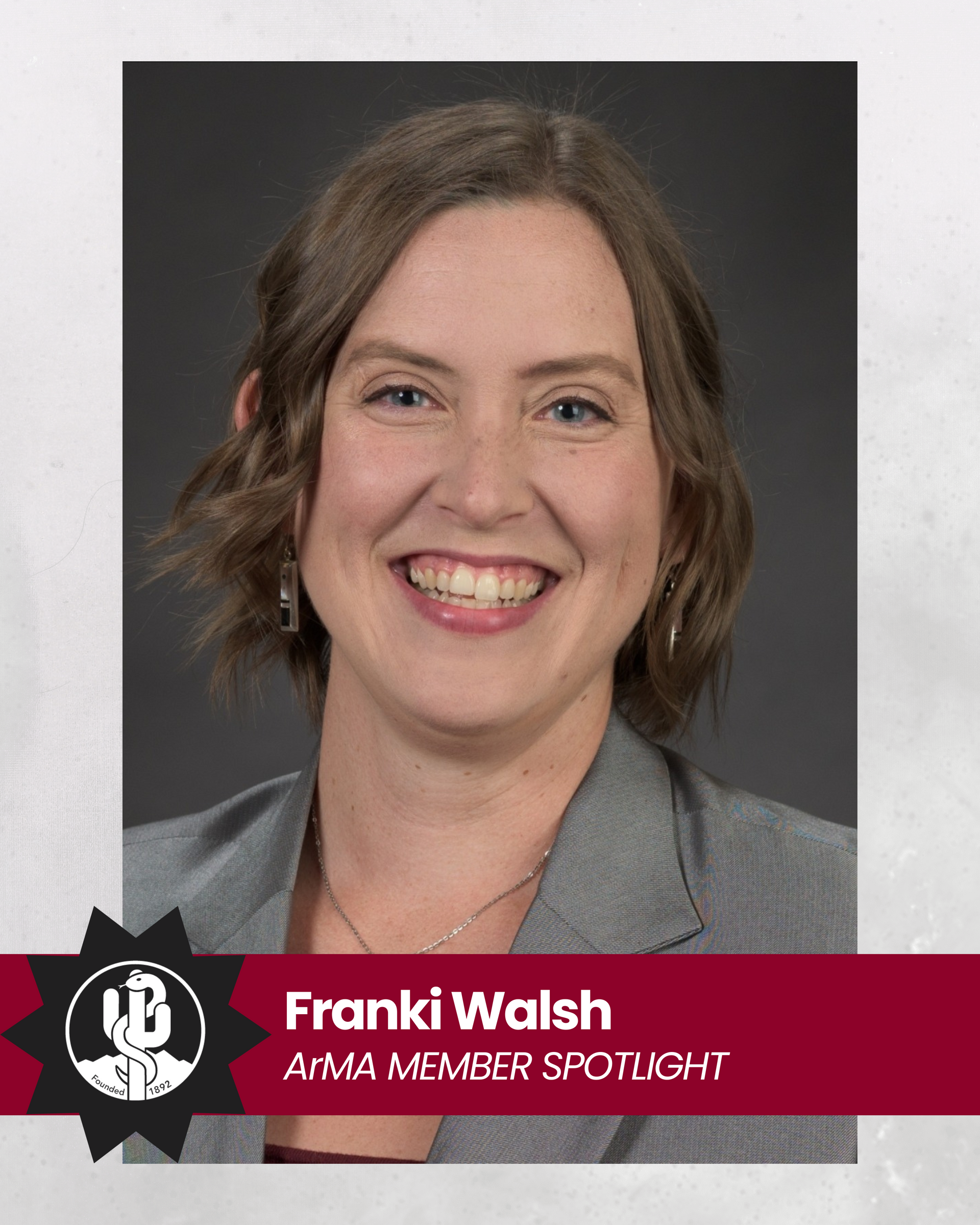
We are so excited to introduce you to this month's ArMA Member Spotlight, Franki Walsh! Franki is a medical student at the University of Arizona College of Medicine-Phoenix. Earlier this year, Franki participated in ArMA's Doctor of the Day program, an opportunity for ArMA physicians and physicians-in-training to meet with their legislators at the Arizona State Capitol.
Recently, Franki was selected for the American Academy of Family Physicians Emerging Leader Institute as one of only 30 national applicants selected with an interest in family medicine.
Learn all about Franki's journey with medicine below!
What has been the biggest change in your career?
Going to medical school, funnily enough. I’ve had a variety of experiences that have culminated in this shift to medicine. In fact, I was on the path to a career in public health before ultimately deciding on medicine. Right before I started medical school at UA COMP, I was an epidemiologist working on COVID-19 for Maricopa County. It was definitely a shift to go from having two direct reports to being back at the “bottom” of the food chain, but it has been so, so worth it.
I joke about my CV being five pages long, but each choice, each endeavor has given me a new perspective on people, community, and life. I’d like to do a residency in Family Medicine or a combined residency in FM/Psych, because, for me, integrated physical and mental health care from womb to tomb is the ultimate way to practice public health on the ground. I feel I can practice as the best version of my physician self when focusing on person-centered care, more so than patient-centered care or population-focused issues. So I guess in some ways, going to medical school hasn’t been the “biggest change” but more of a culmination of everything that has led to this point.
What's a project you're working on right now? Why is it meaningful to you?
I submitted a workshop proposal that was accepted for the Hope Horizons Regional Institutes put on by AHCCCS and Prevent Child Abuse Arizona. The workshop is on Breastfeeding & Substance Use and I’ve partnered with Hushabye Nursery to make sure I’m covering all the information adequately and with care.
I’m really excited to present on two topics that are very important to me. I managed to breastfeed my little one for 19 months – right up until medical school started. Breastfeeding was hard, especially with returning to work and trying to handle my ADHD without my usual medication, which is what got me interested in the topic in the first place. Finding out I could maintain breastfeeding while still taking my Adderall made all the difference in being able to extend that relationship as long as I did. And since I consider myself health literate but hadn’t known about that option until a psychiatrist told me it could be done, I wanted to make sure to put the information out there and let others know that it can be done. In fact, some research has been on substances and transmission into breast milk, but there’s still a long way to go in understanding more. Additionally, watching all the work my husband has done in harm reduction really inspired me to more fully understand and take that approach when interacting with others, to the benefit of my future patients (I hope).
What is one message you would give to your 18-year-old self?
“It’s okay to take your time and it’s definitely okay to change your mind.” I feel like I spent so much of my childhood and teenage years just wanting to be older so I could do everything I wanted to do – go to college, join the Peace Corps, travel the world – that sometimes it was hard to stop and enjoy the ride. It also felt hard to pivot sometimes because I was so set on doing certain things in a certain way on a certain timeline, and life just doesn’t work out like that. Looking back, I’m glad for all the experiences I had, I just wish I had been more okay with doing things at my own pace rather than the pace at which my friends, family, and society told me to do things.
What do you like best about living in Arizona?
There’s no snow (at least in Phoenix)! As someone who grew up in New Jersey and went back to the East Coast to do a Masters in New York City after living in tropical & desert climates for ~4 years, I do not take for granted the beautiful, sometimes sweltering weather we have here. I will take 120+ degree highs over freezing temperatures any day. Also, desert skies are just… the most gorgeous thing I’ve ever seen. I did my first round of undergrad in Los Angeles, and I thought ocean skies were as good as it gets – but I was wrong. Seeing the sky painted in pinks and oranges with streaks of white clouds reminds me that there is so much more than what’s happening on the ground.
The people here are pretty awesome too. I’ve managed to find such an amazing, inspiring group of folx who I know have my back through anything – and that’s really special and valuable. Also, I met my husband in Arizona, so the state means a lot to me.
What would people be surprised to learn about you?
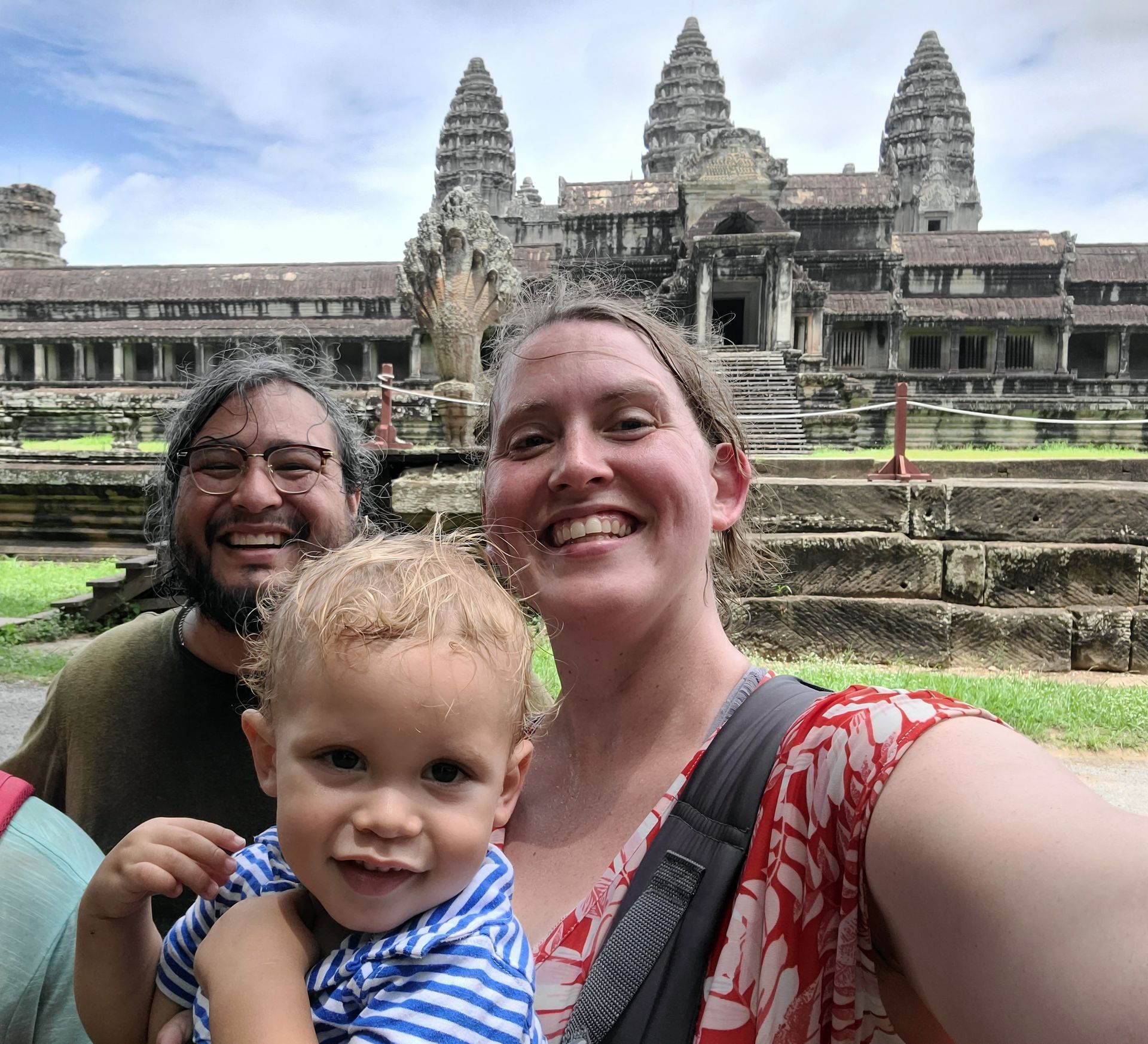
I collect models of 1960s VW microbuses. I started as a young teenager and just never stopped. I’m lucky that they are a popular car, because I have been able to find pictures or toy models or clothing featuring them all over the place. In fact, I try to find some when I travel now – I have two paintings of VW busses from abroad (one from Ireland and one from Mexico) and a toy VW bus I found at a market in Cambodia while I was a Peace Corps Volunteer. When I found out I was pregnant with my son, one of my good friends managed to find a onesie with a sketch of a VW bus on it and sent it to me. Sadly, my kiddo doesn’t fit in it anymore, but I’m going to keep it forever.
How do you unwind after a stressful day?
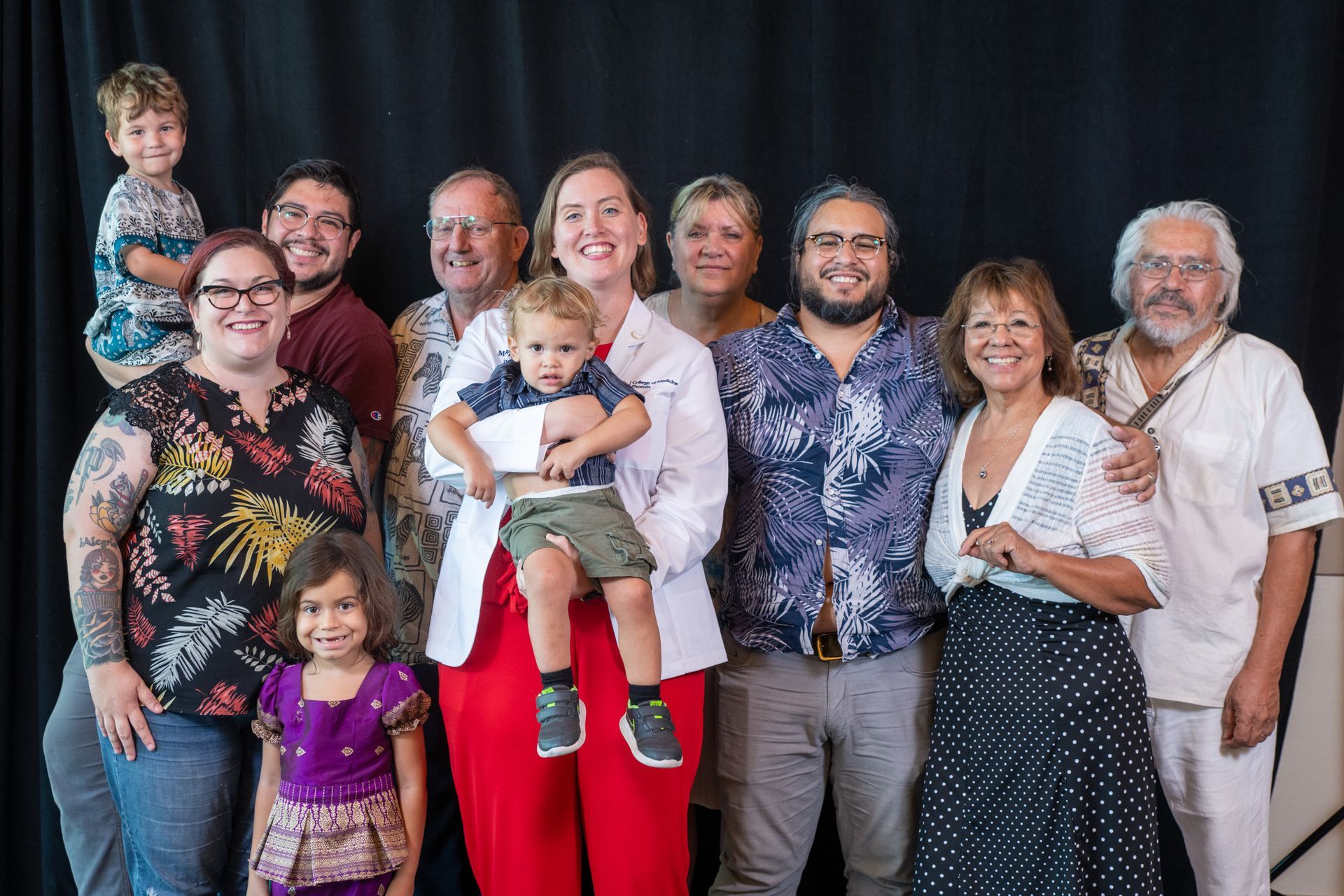
I think I have an advantage at unwinding, even when I don’t “want” to or feel like I can’t, because I have a toddler whose smile just melts everything bad about the day away. It was really helpful during the first semester of medical school when it felt like I couldn’t get anything right – I’d go to pick him up from my in-laws and the little pitter-patter of his running feet would immediately lift my spirits. In fact, my family has been the biggest help in keeping me grounded and helping me destress when medical school feels impossible. I’m also close with my niece and nephew, so hearing their shouts of “Riri!” when I see them helps melt away any stress.
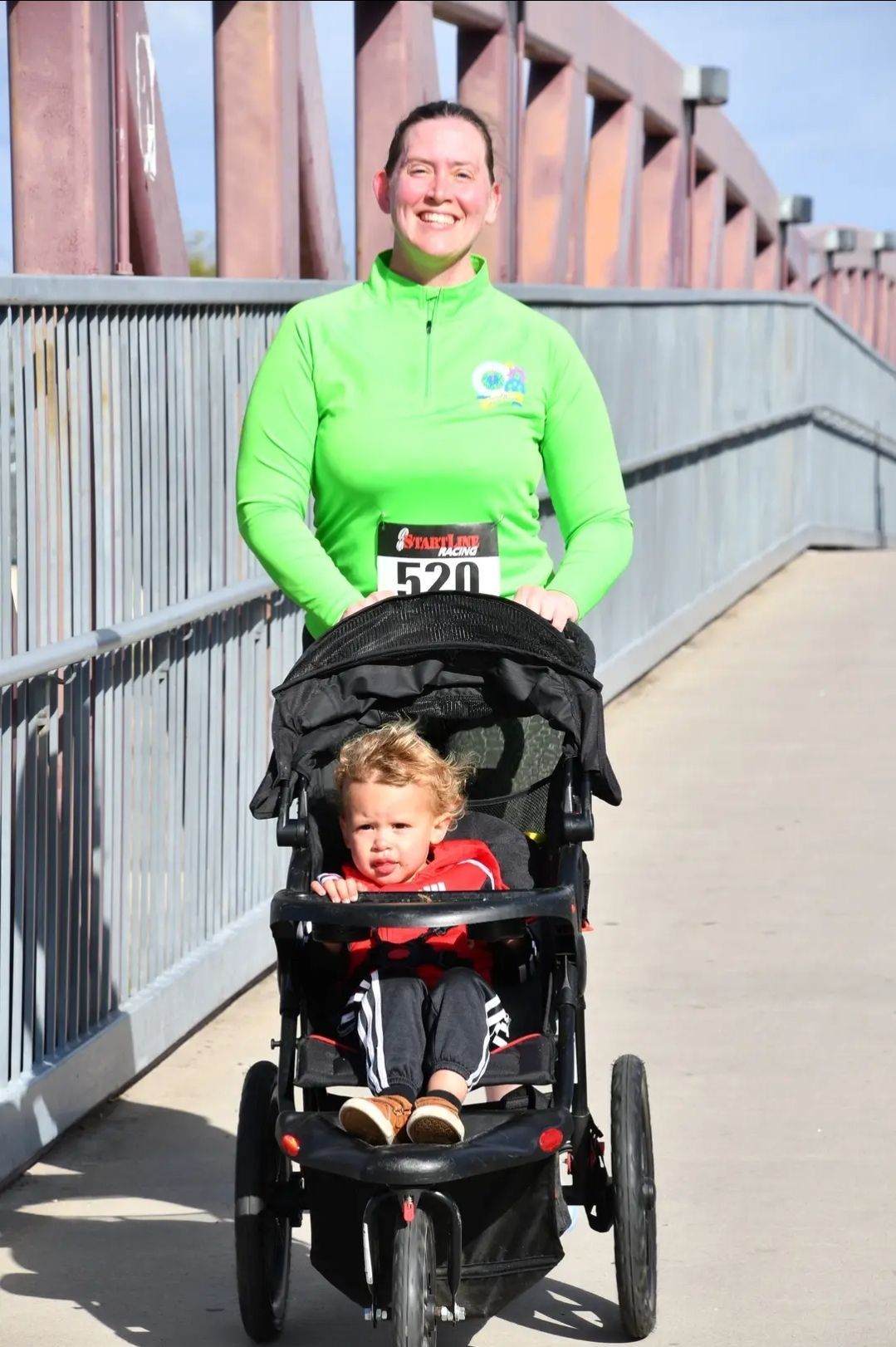
I also run. I’m not very fast, but running is something that brings me joy and reminds me that I can do hard things. I ran seven 5ks when I was pregnant with my kiddo, so it also makes me so happy to push him in the stroller and hopefully pass on my love of running. When I get a chance (which is harder these days with school), I like to join group workouts/runs with November Project, which is the running group that first made me fall in love with running.
Why is ArMA important to you and your colleagues?
ArMA is important, especially as a medical student, because it keeps track of all the legislation currently going through the Arizona State Legislature — and as one of the students interested in staying in Arizona to practice, I need to know what laws will affect my ability to practice. I got involved as soon as I was able to because I wanted to understand how ArMA tracks and lobbies for physicians and patients in Arizona, and I wasn’t disappointed. Being able to see what happens “on the ground” during the Doctor of the Day program gave me a strong appreciation for all the work ArMA does to ensure the physician community, the practice of medicine, and, most importantly, the safety of patients stay at the forefront of the minds of our Arizona senators and representatives.