ArMA Member Spotlight: Fatouma Tall!
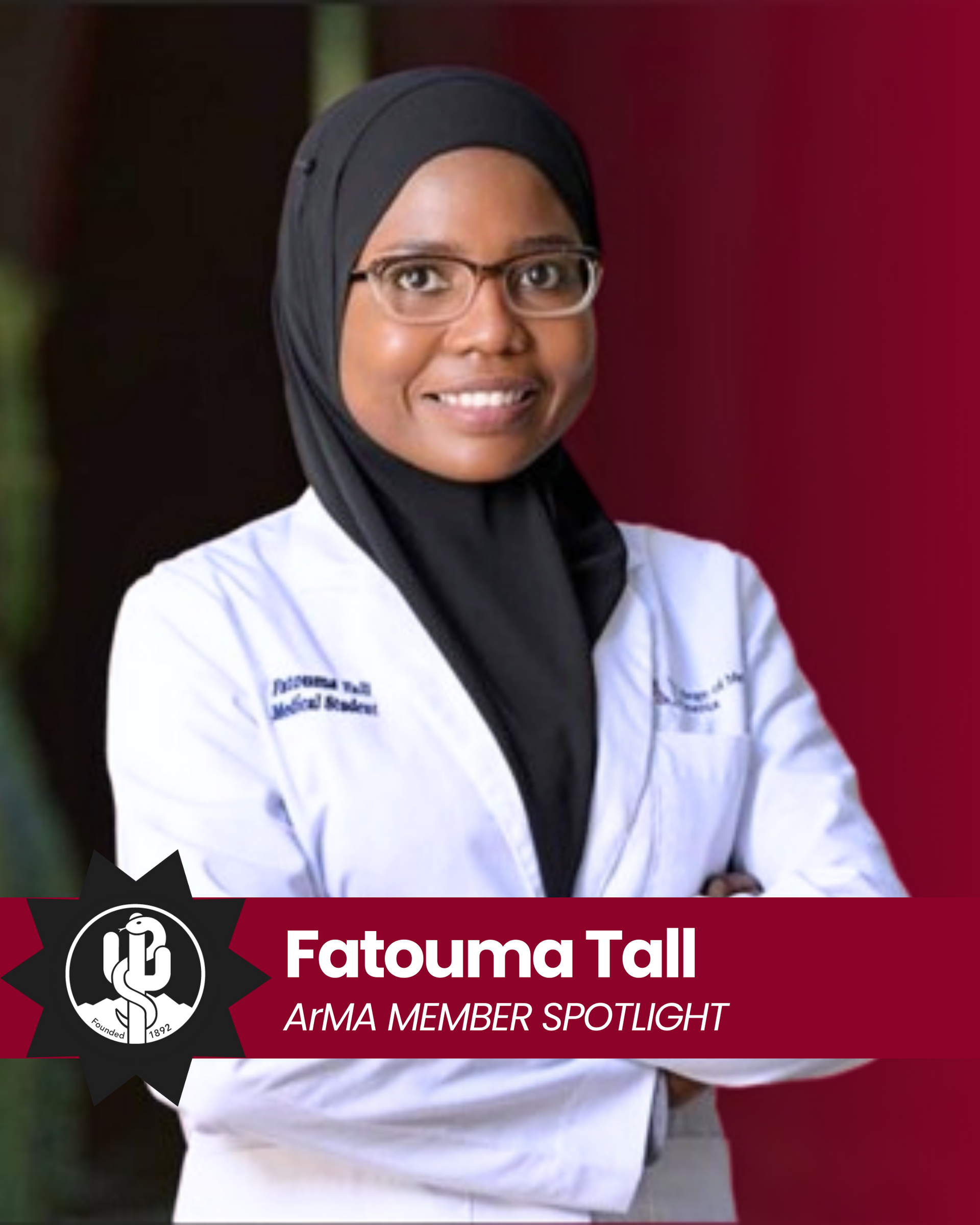
We are honored and excited to introduce this month's ArMA Member Spotlight, Fatouma Tall! Fatouma is a third-year medical student from the University of Arizona College of Medicine-Phoenix and is currently in the MD/MPH program. Outside of academia, Fatouma is an active member of ArMA's Medical Student Section.
In her interview for our Member Spotlight, Fatouma shares her biggest inspirations, her passion for patient advocacy, and how she hopes to impact patient's lives after graduation.
Read all about Fatouma's journey with medicine below!
What inspires you?
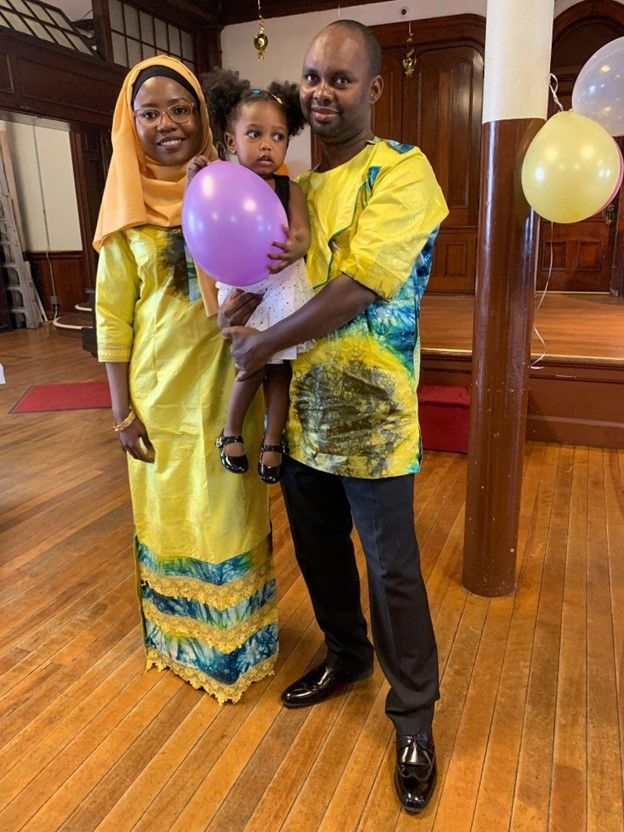
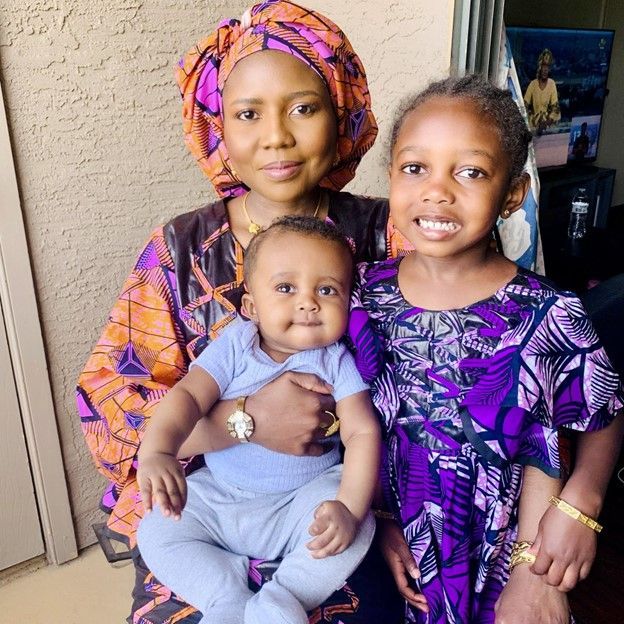
My kids, my mother, and my husband inspire me. My mother encouraged me to go to school in a society where girls' education is neglected. I was born and raised in Niger, a French-colonized country in West Africa. Growing up, my mom knew the value of educating girls and did her best to nurture my love for school, even though it strained her relationship with some family members. Since coming to the USA, a week has not passed without her telling me how proud she is of my accomplishments and never allowing anyone to look down on me. After getting married, my husband became my second cheerleader. We live in Tucson, while my medical school is in Phoenix. For months, he drove me back and forth to allow me to have some sleep or study in the car. He is also a University of Arizona Tucson student but is always willing to move his schedule around to accommodate me. Before moving to the United States, my husband had a career in Burkina Faso, another West African country. However, he decided to pursue engineering, and he went for it. He is currently a PhD candidate. He never gave up on his goal and did not let our financial struggles stop him. Witnessing his achievements gives me the courage to continue moving forward. We have two children, a 6-year-old daughter and a 14-month-old son, who are my daily motivators. I want my little girl to grow up knowing she can accomplish anything she puts her mind to. I want to be a good role model to both her and her brother so that when they start doubting themselves in the future, they can think about their parents, and hopefully, we will inspire them to stay resilient and prosperous.
What's a project you're working on right now? Why is it meaningful to you?
It might not seem like a project to others, but I am working on learning how to become a better physician and advocate for my future patients. I am in a longitudinal integrated clerkship in Sacaton at the Gila River HHK hospital. I work with physicians who love serving rural communities and Native Americans. It has been a very fulfilling experience so far, and going to the hospital daily keeps reminding me why I chose to pursue medicine. I grew up in a rural area, and my family and I relied on traditional medicine. I learned how crucial primary care was when I started medical school. I did not know my rights as a patient and did not have good experiences every time I sought care, which made me decide not to see a physician. Our current healthcare system is not the best, and people continue to mistrust the system for several reasons. Our physician's job is to provide quality care and advocate for our patients to minimize healthcare disparities.
What would you be up to if you weren't pursuing medicine right now?
If I were not pursuing medicine, I would be doing some public health work, which is why I am in the MD/MPH program. I wanted to learn about the healthcare system since I was in college because I could not understand how healthcare could be so expensive. Public health was my initial goal, but many things happened throughout college and after graduation that pushed me to pursue medicine instead. Since the University of Arizona College of Medicine-Phoenix offered the MD/MPH program, I decided to take advantage of it and fulfill both goals. I wanted to be more equipped to advocate for underserved communities.
What do you like best about living in Arizona?
What I like best about Arizona is the cultural diversity. I love how people respect every culture and embrace them thoroughly. As an immigrant, I never felt like an outsider since moving to Arizona. It feels like home and is currently "Home" for my family and me.
How would you describe your approach to patient care?
I am a third-year medical student and have seen physicians approach patient care differently. I wanted to establish a good relationship with my patient. I want to know their aspirations and cultures to provide individualized care for them. I want to earn their trust and want them to understand how important they are to me as I am to them. With the current rise in healthcare mistrust, treating our patients with empathy and respect is essential. I want to be a culturally competent provider who will meet her patients where they are and encourage them to be involved in their health care.
How do you define success?
In my opinion, success equals resilience. If you want to be successful, you should brace yourself because the journey will take work. Somedays, it will feel like you are stagnant or even going backward. However, if you keep your mind on your objective, remind yourself why you made your choices, and stay resilient, you will undoubtedly become successful. It might take years, but it will eventually happen.
What prompted you to become involved in organized medicine?
Through medical school, I learned the importance of advocacy and how the healthcare system can be reformed if physicians work together and continue to push for changes. At first, I decided to Join ArMA for networking purposes, seeing some of my course directors, such as Drs. Hartmark-Hill and Mercer doing fantastic work, and seeing how much impact ArMA has on health policies that directly impacted my health care (extension of free maternal health care to 12 months postpartum), I knew I wanted to contribute. After graduating from medical school, I want to get more involved in advocating alongside other ArMA members for affordable and quality health care for everyone in Arizona, regardless of their background.