Former U.S. Senator Jon Kyl, Arizona Political Leader, Dies at 84

September 18, 2026

Kyl represented Arizona in Congress for nearly three decades and later returned to the Senate to fill John McCain's seat.


A Nearly Three-Decade Congressional Career

Former U.S. Sen. Jon Kyl, who represented Arizona in Congress for nearly three decades, died Wednesday at age 84, his family announced Thursday. Kyl served in the U.S. House from 1987 to 1995 and in the Senate from 1995 to 2013, rising to become the Senate's second-ranking Republican and serving as minority whip. He briefly returned to the Senate in 2018 after Gov. Doug Ducey appointed him to fill the seat left vacant by the death of Sen. John McCain.


A Legacy in Western Water Policy

Kyl was particularly influential on Western water policy, including work on Arizona groundwater legislation and tribal water-rights settlements.


Final Years and Tributes

Kyl announced in late 2025 that he had been diagnosed with dementia and was stepping back from public life. Arizona officials and former colleagues from both parties have issued tributes following his death.

By Admin User September 18, 2026
Statewide orders keep pharmacists and physicians authorized to vaccinate Arizonans amid uncertainty over the next ACIP meeting. Statewide Orders Cover the 2026-27 Flu & COVID Season The Arizona Department of Health Services has issued statewide standing orders supporting access to the 2026-27 influenza and COVID-19 vaccines approved by the U.S. Food and Drug Administration. Arizonans seeking a flu or COVID-19 vaccine should contact their physician or pharmacy to confirm availability. Why the Orders Were Issued Arizona pharmacists may administer vaccines recommended by the Advisory Committee on Immunization Practices, vaccines recommended by the Centers for Disease Control and Prevention for international travel, or vaccines authorized under a prescription, including a physician-issued public health standing order. With the timing of the next ACIP meeting uncertain, ADHS worked with the Arizona Board of Pharmacy to issue statewide standing orders for the flu and COVID-19 vaccines, which function as a prescription allowing pharmacists and physicians across Arizona to administer them to anyone who wants one. ADHS Medical Advisor Weighs In "Vaccines are one of the most important tools we have to protect our communities. The Influenza and COVID-19 vaccines have been proven safe and effective at preventing severe illness, hospitalization, and death. Vaccines help us limit the spread of disease, reduce pressure on our healthcare system and reduce costs," said Dr. Richard Carmona, ADHS public health medical advisor and the 17th U.S. Surgeon General. "We have issued these standing orders to ensure safe and timely access to the vaccines in alignment with scientific and evidence-based guidance." What Arizonans Should Know The standing orders do not require every pharmacy to offer vaccinations, and they do not guarantee insurance coverage for administration. Coverage and out-of-pocket costs vary by plan, so Arizonans should check with their insurance provider before scheduling an appointment. 
By Admin User September 18, 2026
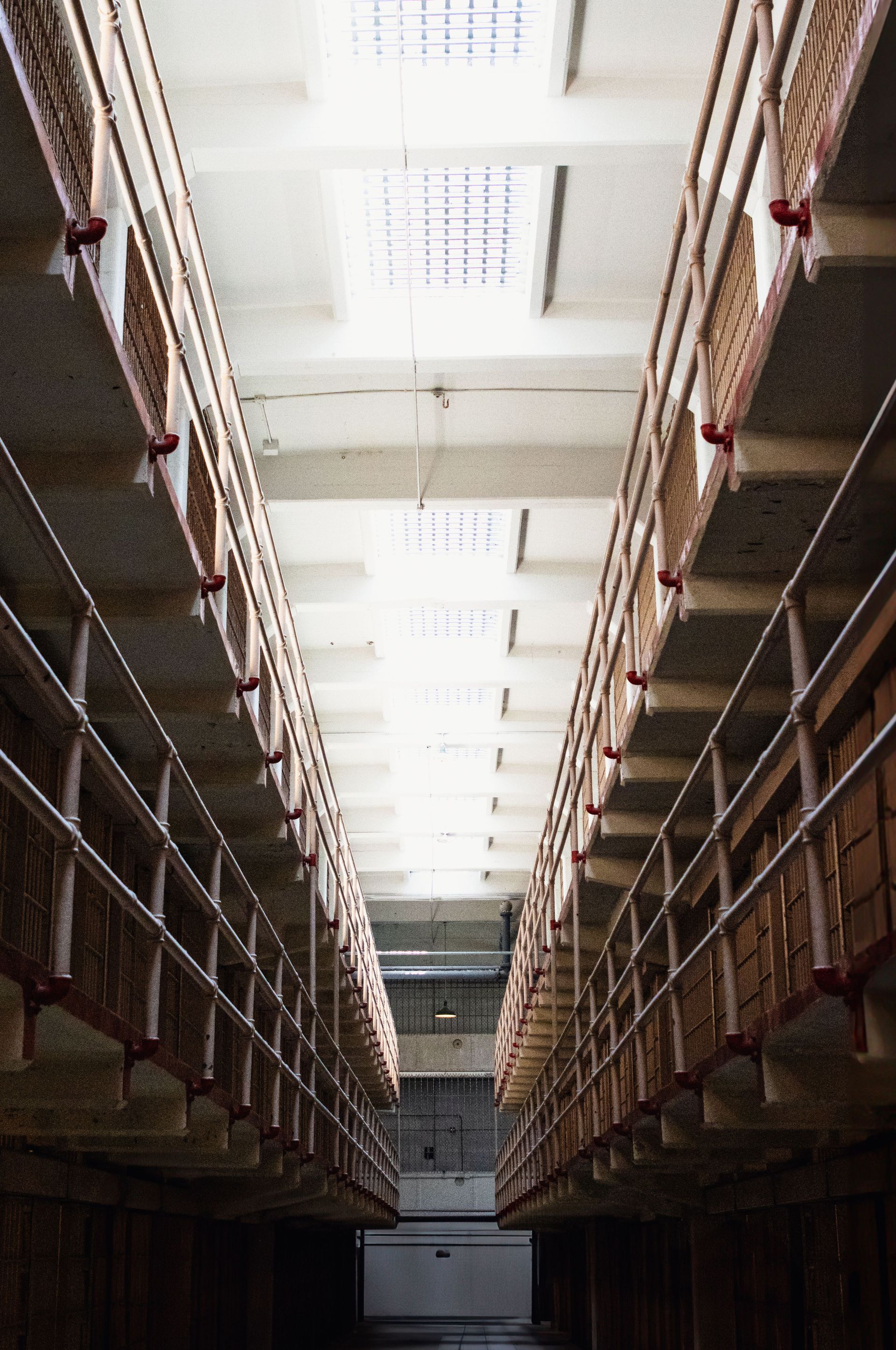
State attorneys seek an emergency stay after lower courts reject bids to delay receivership of the prison health care system. State Makes a Last-Ditch Appeal Attorneys for the Arizona Department of Corrections, Rehabilitation and Reentry asked the U.S. Supreme Court this week to delay a court-ordered receivership of the state's prison health care system. The request comes after both a federal district court and the 9th U.S. Circuit Court of Appeals declined to pause the takeover. In the recent application, former U.S. Solicitor General Paul Clement, a representative of the department, argued that the state deserves more time to make its case before surrendering control of its operations, including oversight of its employees and health care budget. Roots of the Case The dispute began in 2012 when inmates sued the department, alleging the prison system's inadequate medical, mental health, and dental care amounted to cruel and unusual punishment under the Eighth Amendment. The case went through years of litigation and a failed settlement agreement. In 2023, U.S. District Judge Roslyn Silver ruled that the health care system was "grossly inadequate." The court ordered the prison healthcare system to comply with more than 150 "quality indicators," but according to court-appointed monitors, the department failed to comply with 131 of the measures. In light of this finding, Silver named Annette Chambers-Smith, former director of the Ohio Department of Rehabilitation and Correction, to take over as receiver effective Oct. 19. Arguments on Both Sides Clement argues receivership should be the last resort and that Silver moved to it too quickly. He asserts that the department has made measurable progress, including growing its health care staffing by more than 50%, expanding substance-use treatment access, and adopting a new care model. Corene Kendrick, deputy director of the American Civil Liberties Union National Prison Project, which represents the roughly 25,000 people incarcerated in Arizona prisons, called the department's request a "Hail Mary" and said Silver had given the department years of opportunities to comply before ordering receivership. What Happens Next The Supreme Court has not yet set a deadline for the plaintiffs to respond to the stay request. Separately, the 9th Circuit is now reviewing the merits of the receivership order itself. The department filed its opening brief on Sept. 15, and the plaintiffs' response is due Oct. 15. Information in this article was sourced from the Arizona Mirror .